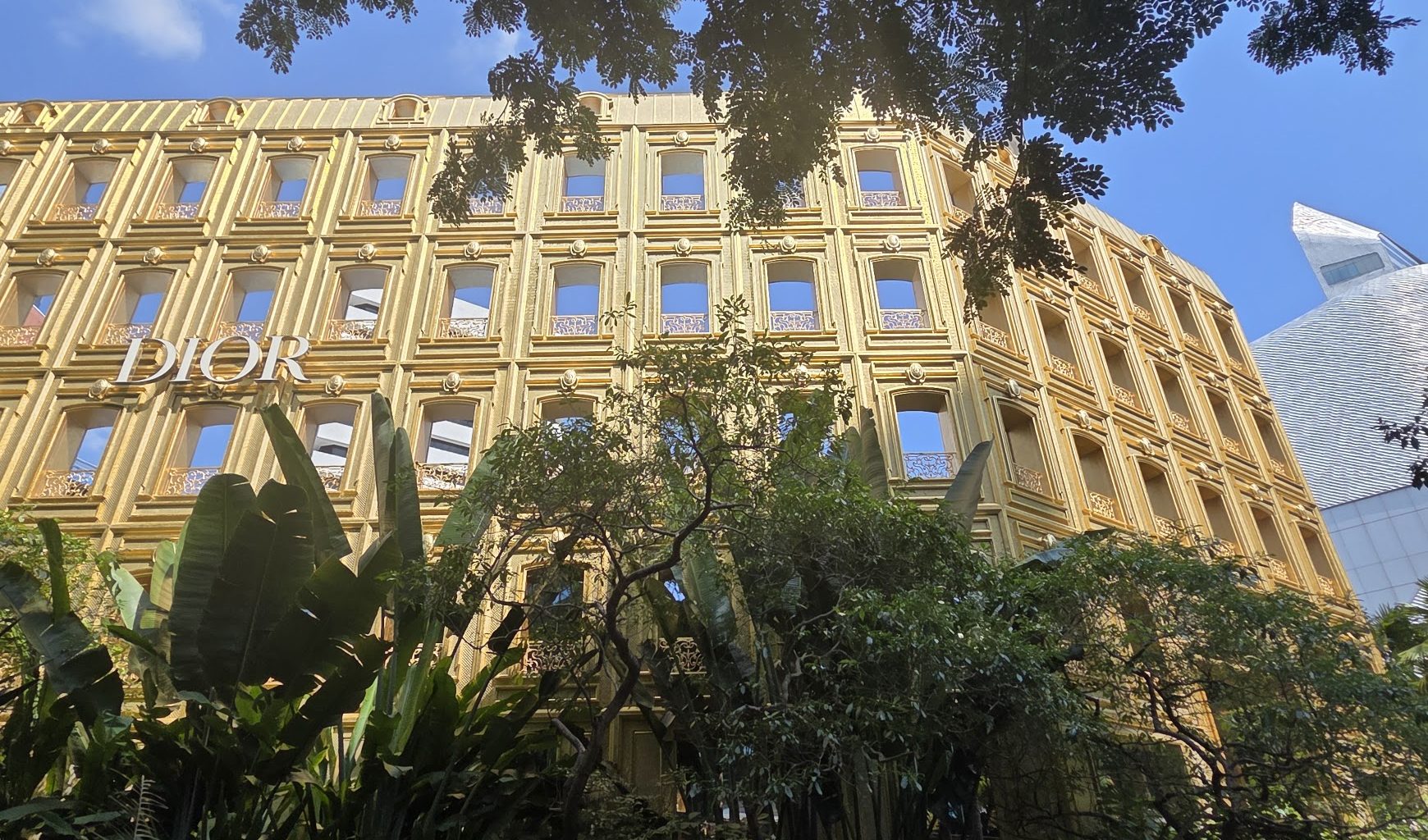
Luxury fashion is moving beyond the boutique — and it’s happening at a moment when it has to. LVMH’s 2025 revenue fell 5% to €80.8 billion; Kering’s dropped 13% to €14.7 billion. Bain & Company estimates the industry has lost roughly 50 million aspirational customers since the post-pandemic peak — the shoppers who buy occasionally, who typically enter a luxury house through a small leather good, a fragrance, or a lipstick rather than a couture piece.
Small leather goods alone — wallets, cardholders, key holders, coin pouches — are a $28.6 billion global market, and for decades they’ve quietly done a specific job: keeping the brand alive at a price point where a €400 wallet can carry the same feeling of belonging as a €4,000 handbag, with gross margins reaching 65–75%.
That tier is under pressure. Only Louis Vuitton has kept expanding its accessible tier every year.
Cafés, bookstores, restaurants, and cultural spaces are the industry’s next move. A $10 espresso in a fashion-house café reaches thousands of Instagram followers organically before it’s finished being drunk — cheaper to a brand than a magazine ad, more resonant with a Gen Z or millennial customer than a paid campaign, and a way to keep the name in front of a generation that treats travel and social image as their new currency.
The biggest houses are betting that a coffee, an ice cream, or an afternoon spent browsing records inside a fashion label is the modern replacement for the entry-level wallet — the first touchpoint of a relationship with a brand a customer may or may not go on to buy from at scale, but will absolutely photograph and share.
Ten of the projects worth planning a walk around. From temporary pop-ups to Michelin-starred restaurants, from cult neighborhood cafés to full lifestyle destinations spread across Asia — every entry below has been verified for opening date, address, and current status. For more of our editorial travel picks, see our travel insights and the best new hotel openings.
Fashion Cafés — quick booking reference
The fashion-house cafés worth planning around — with how to actually get in.
- Saint Laurent BabyloneParisWalk-in · Wed–Sat 11:00–19:00, Sun 12:00–19:00 · ysl.com
- Gucci Osteria da Massimo BotturaFlorenceReservations essential · +39 055 062 1744 · gucciosteria.com
- Ralph’s CoffeeNew YorkWalk-in · Ralph Lauren Madison Ave flagship, 2nd floor · ralphlauren.com
- Café Kitsuné Palais RoyalParisWalk-in · 51 Galerie de Montpensier · maisonkitsune.com
- Louis Vuitton Le Café VOsakaWalk-in · Maison Osaka Midosuji · @lecafev
- Tiffany Blue Box CaféNew YorkReservations required (Resy) · 4th floor, Fifth Ave flagship · tiffany.com
- Louis Vuitton Cafés & RestaurantsMultipleSeoul, Bangkok, Osaka, Tokyo, Paris · varies by venue — check the specific city page · louisvuitton.com
- Dior CaféBangkokReservations recommended · Dior Gold House, Sukhumvit · dior.com
- Jacquemus Café ExperiencesRotatingParis, Provence, rotating · follow the Instagram for current pop-ups (they’re temporary) · jacquemus.com · @jacquemus
1. LOEWE Pistachio Ice Cream Bar — London, United Kingdom
A perfume-inspired ice cream pop-up from the Spanish fashion house
Founded in Madrid in 1846, LOEWE is one of Spain’s oldest luxury houses. Internationally recognized for its leather craftsmanship, the brand took on a new creative identity under Jonathan Anderson, who joined as creative director in 2013.
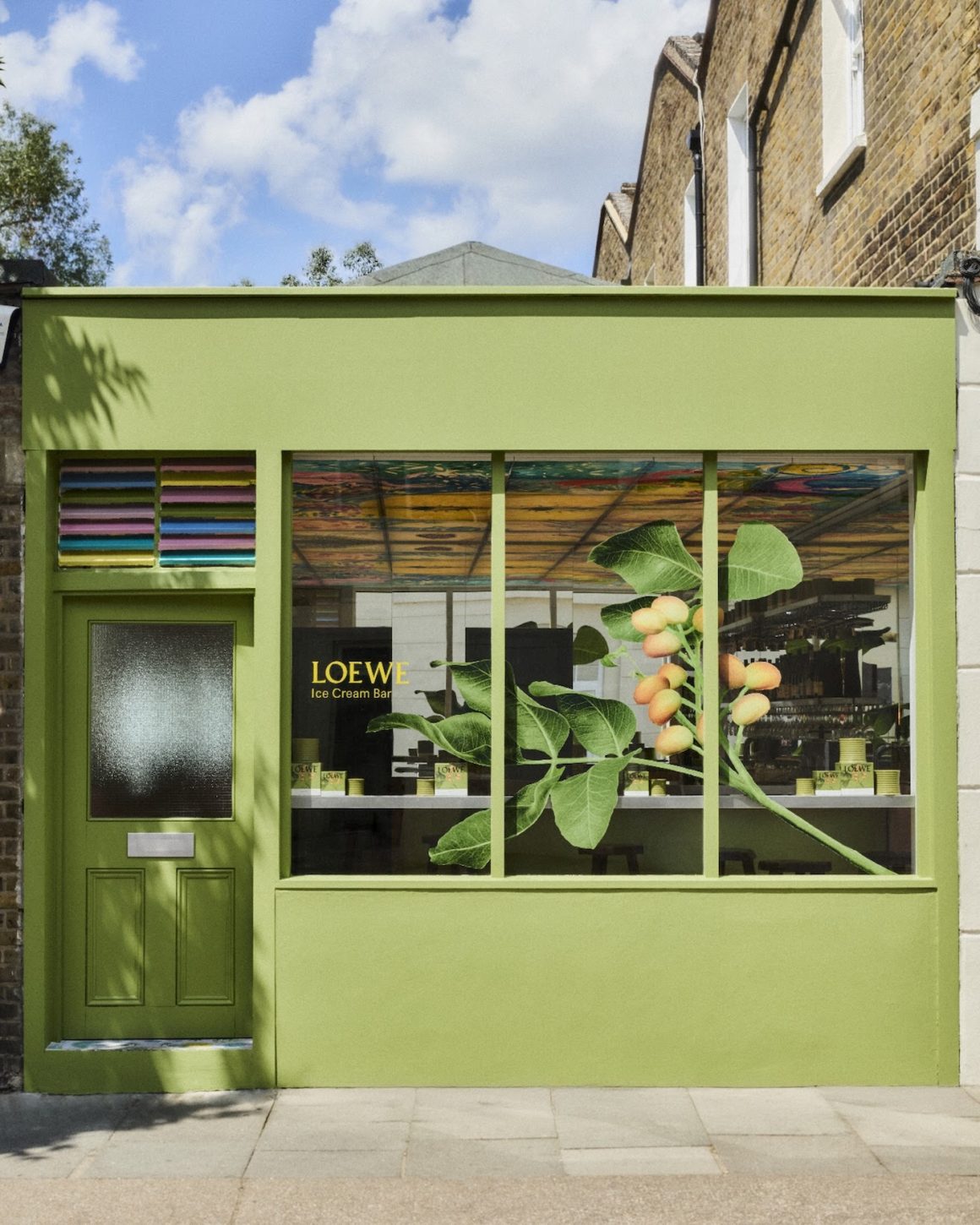
The LOEWE Ice Cream Bar is a limited-run pop-up in North London designed as an extension of the LOEWE Perfumes collection. The concept was born from the brand’s pistachio-scented candle — the pale green hue of the candle’s grooved vessel now painted across the façade of The Dreamery, the neighborhood ice cream and wine bar hosting the takeover. Inside, seating for twenty sits under British artist Lucy Stein’s folklore-inspired ceiling mural.
The Dreamery itself is a working ice cream bar founded in 2024 by Alex Young and George De Vos, the duo behind natural wine bars Goodbye Horses and Stable Wines. Regular flavors run from blueberry and ricotta to croissant and custard; during the LOEWE takeover, an exclusive pistachio flavor joins the menu.
Address: The Dreamery, 20a Halliford Street, London N1 3HD
Opened: Runs until 30 July 2026 Created by: LOEWE Perfumes × The Dreamery
What they offer: Limited-edition pistachio ice cream inspired by the LOEWE pistachio candle
Opening hours: Daily, 12:00–22:00
Why visit: A rare chance to eat a fragrance — pop-up culture at its most confident, and one of the best examples of a luxury house turning a small object into an affordable experience.
2. Saint Laurent Babylone — Paris, France
A fashion house turned art bookshop and cultural space
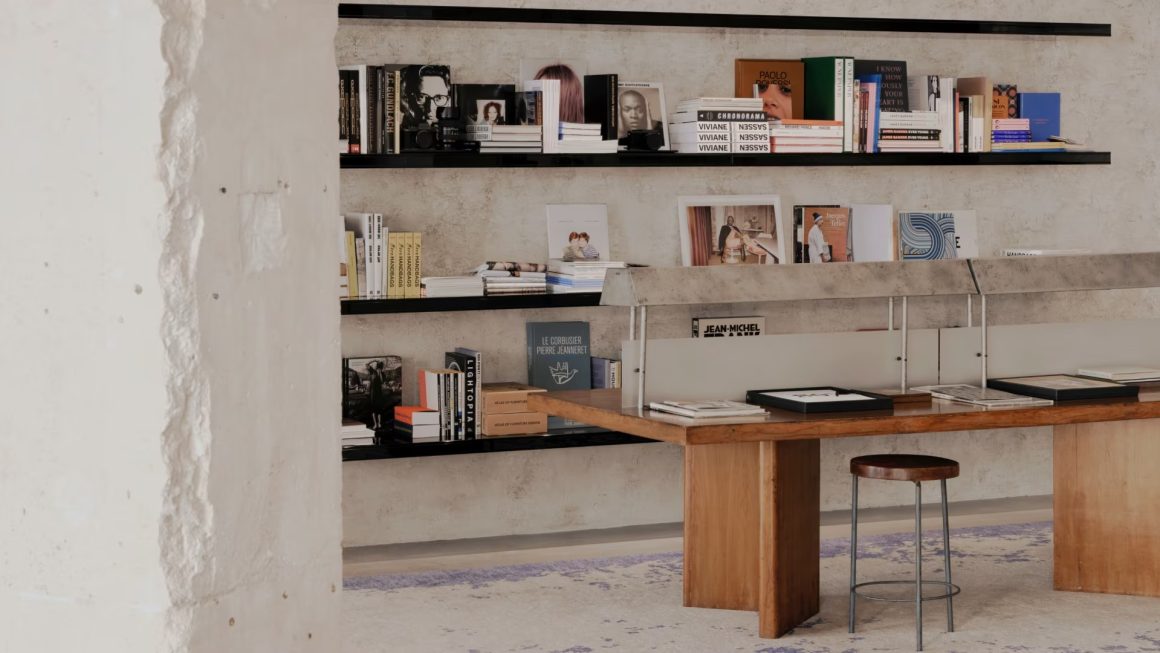
Saint Laurent Babylone is one of Paris’s most interesting fashion-meets-culture destinations, and one that most first-time visitors miss. Opened in February 2024 by Saint Laurent creative director Anthony Vaccarello, the space sits on Rue de Grenelle in the 7th arrondissement — the historic Saint-Germain-des-Prés literary quarter. The name references the Sèvres-Babylone neighborhood, where Yves Saint Laurent and Pierre Bergé moved to 55 Rue de Babylone in 1970 and where the designer lived until his death in 2008.
The space is designed to echo the original 1966 Saint Laurent Rive Gauche boutique — minimal marble tables against rusticated walls of exposed stone, vintage Pierre Jeanneret desks displaying rare books that require white gloves to handle. Unlike a traditional fashion boutique, the focus is books, photography, art, music, and culture: rare art editions, out-of-print magazines, and vinyl records handpicked by Vaccarello, plus new titles under the Saint Laurent Rive Droite Editions imprint.
The store also programs regular DJ sets, author readings, book signings, and exhibitions — closer to a private salon than a shop.
Address: 9 Rue de Grenelle, 75007 Paris, France
Opened: February 2024
Created by: Anthony Vaccarello (Saint Laurent creative director)
What they offer: Art books, photography books, vinyl records, out-of-print magazines, YSL Rive Droite editions, and cultural events
Opening hours: Wednesday–Saturday, 11:00–19:00; Sunday, 12:00–19:00
Why visit: It feels closer to a Left Bank art salon than a fashion store. If you’re already exploring the Saint-Germain neighborhood, this belongs on the same afternoon walk.
3. Gucci Osteria — Florence, Italy
A Michelin-starred restaurant inside Gucci’s hometown flagship
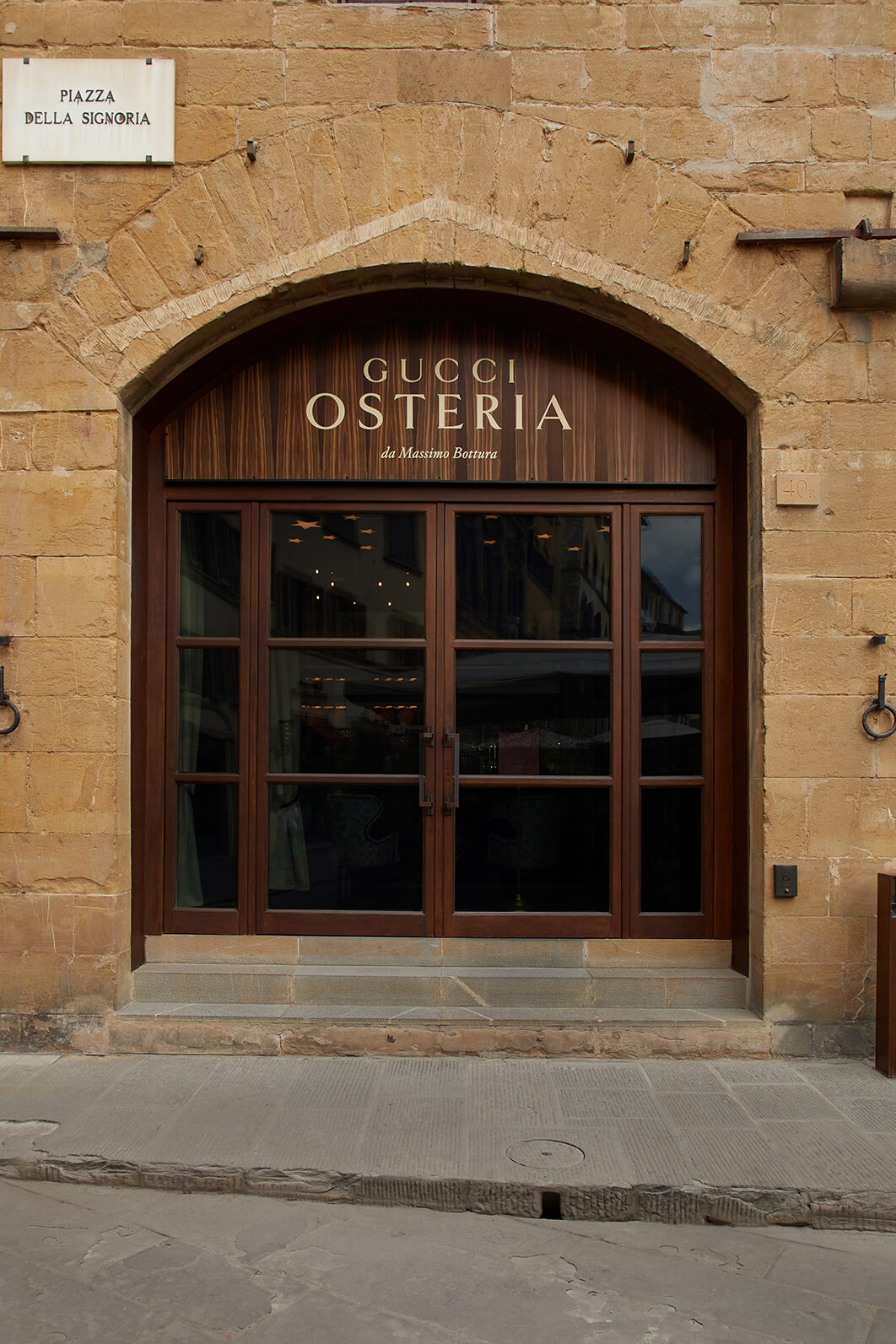
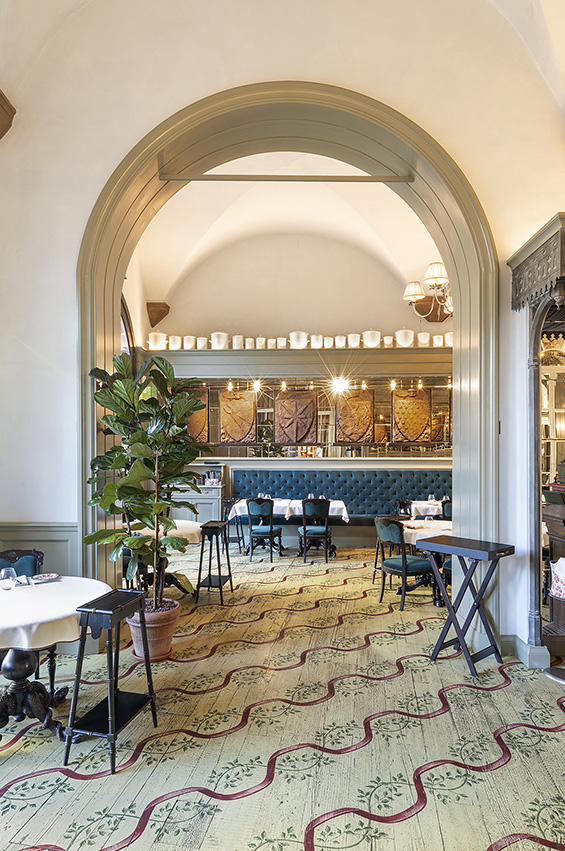
Gucci was founded in Florence in 1921 by Guccio Gucci, originally as a leather goods company inspired by luxury travel and English aristocratic style. In 2018, the house opened Gucci Osteria inside the historic Palazzo della Mercanzia on Piazza della Signoria — the same building that houses the brand’s cultural galleries and archives.
The restaurant was created in partnership with Italian chef Massimo Bottura, whose three-Michelin-starred Osteria Francescana in Modena has topped World’s 50 Best Restaurants lists more than once. The Florence Osteria earned its own Michelin star in 2020 and has held it since. The menu is a considered dialogue between Emilian tradition and modern technique, with an intimate 50-seat dining room and a small terrace overlooking one of the most photographed squares in Europe.
Gucci Osteria has since expanded to Beverly Hills, Tokyo, and Seoul — but the Florence original remains the definitive version.
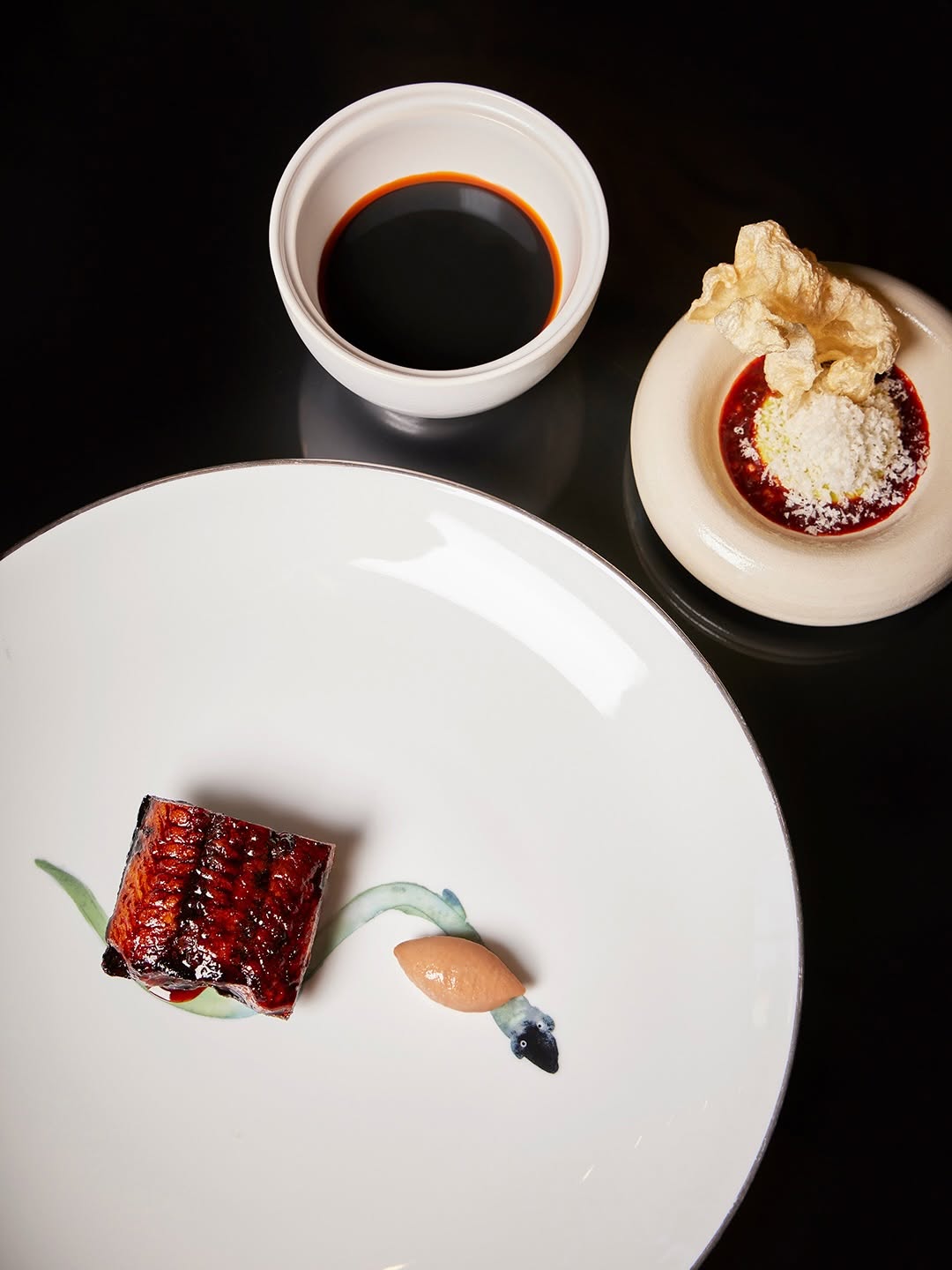
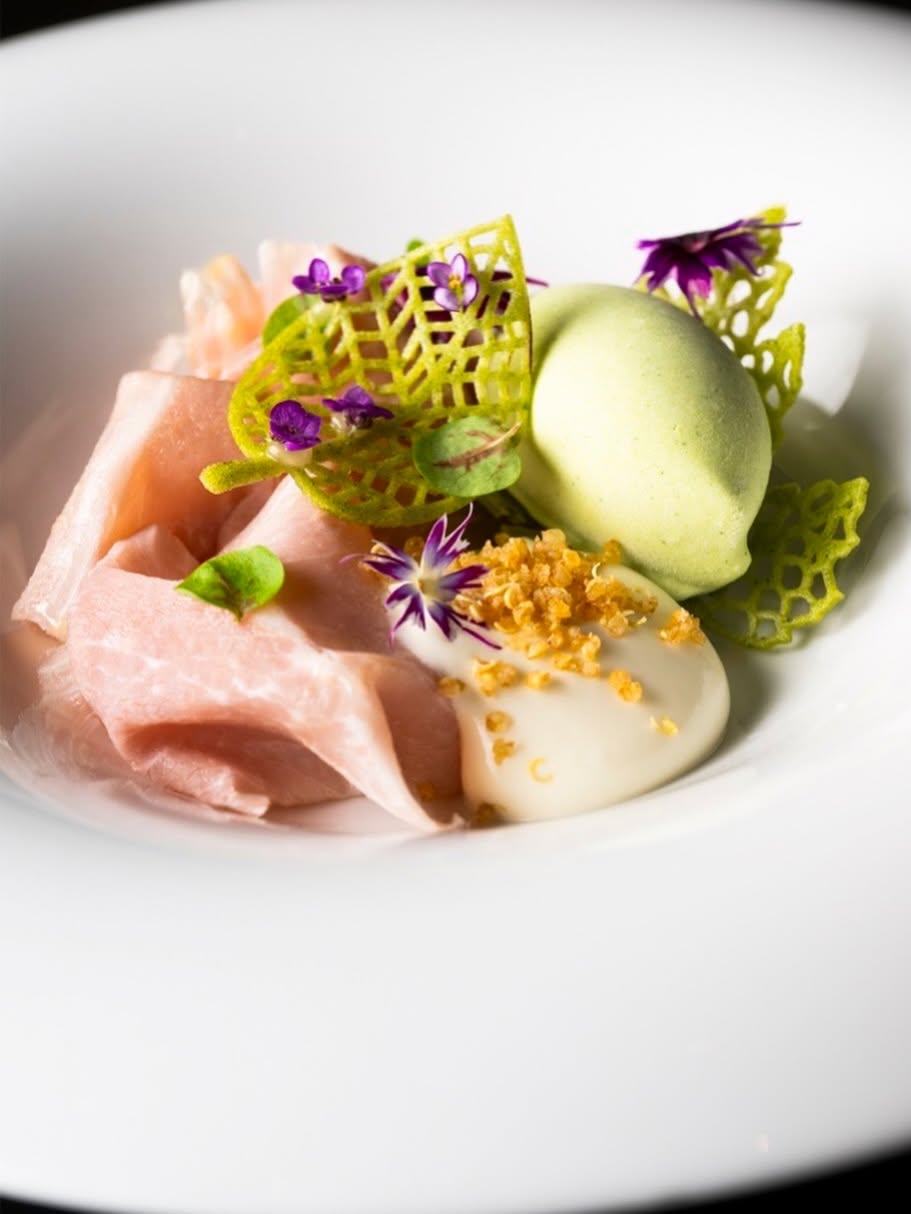
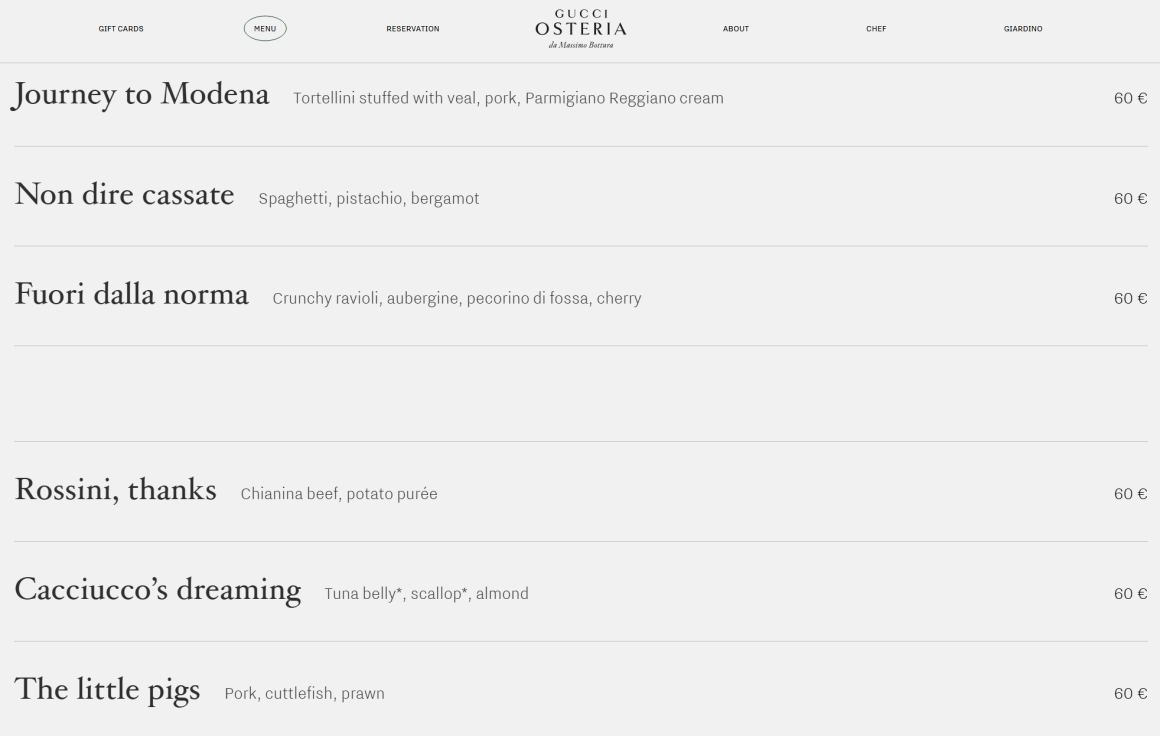
From the current menu, the “Journey to Modena” signature list runs €60 per plate: Tortellini stuffed with veal, pork, and Parmigiano Reggiano cream; Non dire cassate, a spaghetti with pistachio and bergamot (a Sicilian pun on the traditional dessert); Fuori dalla norma, crunchy ravioli with aubergine, pecorino di fossa, and cherry; Rossini, thanks — Chianina beef with potato purée; Cacciucco’s dreaming — tuna belly with scallop and almond; and The little pigs. The dish names are Massimo Bottura’s — food-history puns you have to know to catch.
Gucci Osteria has since expanded to Beverly Hills, Tokyo, and Seoul — but the Florence original remains the definitive version.
Address: Piazza della Signoria 10, 50122 Florence, Italy
Opened: 2018
Created with: Chef Massimo Bottura (Osteria Francescana, Modena)
What they offer: Italian tasting menus, wine pairings, à la carte lunch and dinner, plus access to Gucci’s Florence cultural spaces
Opening hours: Lunch and dinner service; reservations essential
Why visit: Few places combine Renaissance Florence and contemporary luxury fashion so naturally — and the food genuinely earns its star.
4. Ralph’s Coffee — New York, United States
The café that turned Ralph Lauren’s lifestyle into a physical place
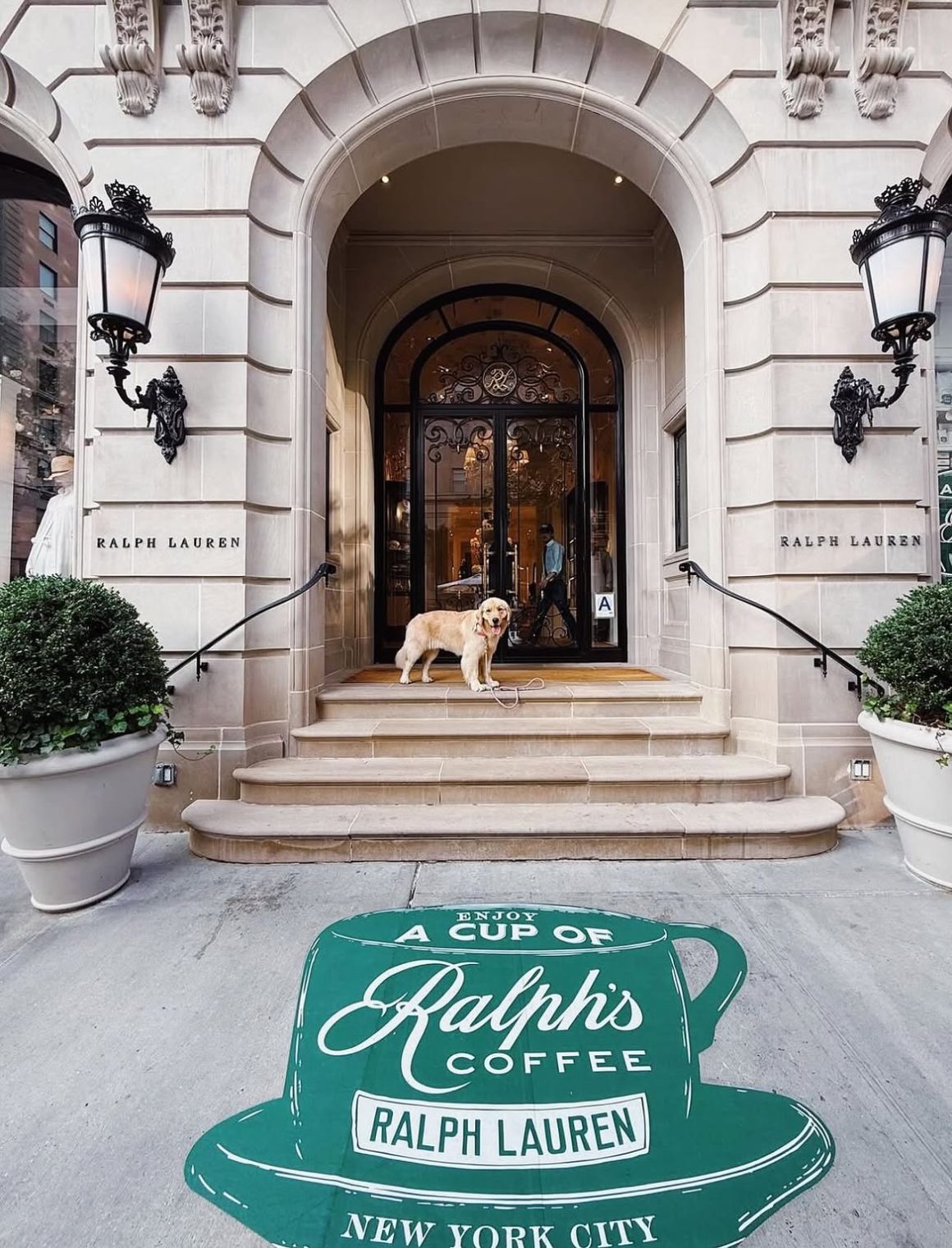
Ralph Lauren has spent nearly six decades building a complete lifestyle around a specific idea of American elegance: country houses, polo clubs, mahogany bars, and vintage cars. In 2014, the brand opened the first Ralph’s Coffee on the second floor of its Madison Avenue flagship — a small espresso bar meant to feel like an extension of that world.
The café interior is textbook Ralph: dark wood paneling, green and cream color scheme, brass fittings, framed vintage photography. The coffee is 100% Arabica in a custom blend; the menu holds classic espresso drinks, hot chocolate made with dark ganache, and pastries baked daily. Nothing on the menu is complicated. That is the point.
Ralph’s Coffee has since expanded to London, Paris, Tokyo, Milan, Beverly Hills, Seoul, and Hong Kong — but the original inside the New York flagship remains the archetype.
Address: Ralph Lauren Flagship, 867 Madison Avenue, New York, NY 10021
Opened: 2014
Created by: Ralph Lauren
What they offer: Coffee, espresso drinks, hot chocolate, pastries, and light snacks
Opening hours: Follows Ralph Lauren flagship hours
Why visit: It feels like stepping into Ralph Lauren’s imagined version of an American home — perfect after a walk through the Upper East Side.
5. Café Kitsuné — Paris, France
Fashion, music, and coffee from a French-Japanese label

Maison Kitsuné was founded in Paris in 2002 by Gildas Loaëc and Masaya Kuroki, combining French fashion sensibility with Japanese aesthetics and a genuine music label (Kitsuné Musique, which broke acts including Two Door Cinema Club and Bloc Party). In 2013, the founders opened the first Café Kitsuné in the Palais Royal — a small espresso bar that quickly became a cult stop on the Parisian coffee map.
The cafés are known for minimalist interiors, precise coffee, and Japanese-inspired touches: matcha drinks, seasonal desserts, and a fox mascot (kitsune means fox in Japanese) that has become one of the most recognizable minor icons in Parisian streetwear.
Locations now exist across Paris, Tokyo, Seoul, Kyoto, London, New York, and Hong Kong.
Address: Café Kitsuné Palais Royal, 51 Galerie de Montpensier, 75001 Paris, France
Opened: 2013
Created by: Gildas Loaëc and Masaya Kuroki (Maison Kitsuné founders)
What they offer: Coffee, matcha, pastries, seasonal desserts, and a small merch selection
Opening hours: Varies by location; Palais Royal typically 08:30–18:30
Why visit: One of the earliest and most convincing fashion-brand cafés — the Palais Royal setting alone justifies the walk.
6. Louis Vuitton Le Café V — Osaka, Japan
A café above one of Japan’s most impressive fashion buildings

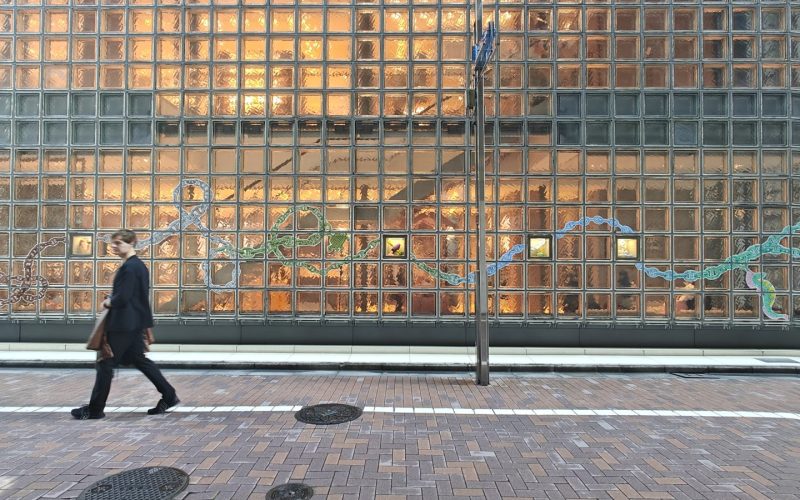
Louis Vuitton opened Maison Osaka Midosuji in 2020, creating one of its most ambitious flagships in Asia.
Designed by Japanese architect Jun Aoki, the building takes inspiration from traditional Japanese sailing ships and reflects the connection between Louis Vuitton’s history of travel and Japan’s architectural traditions.
At the top of the building is Le Café V, a stylish café offering coffee, desserts, cocktails and light dishes with views over Osaka.
The café is part of a wider Louis Vuitton experience that combines fashion, architecture, art and dining.
Address: Louis Vuitton Maison Osaka Midosuji, 2-8-16 Shinsaibashi-suji, Chuo Ward, Osaka
Opened: 2020
Created by: Louis Vuitton; architecture by Jun Aoki
What they offer: Coffee, tea, desserts, cocktails and seasonal dishes
Opening hours: Varies; follows Maison Osaka schedule
Why visit: One of the best examples of a fashion store becoming an architectural destination.
7. Tiffany Blue Box Café — New York, United States
The real-life version of “Breakfast at Tiffany’s”

Tiffany & Co. sits slightly outside the fashion category — it’s a jewelry house — but the Blue Box Café has become one of the most photographed luxury lifestyle spaces in Manhattan. It opened in 2017 on the fourth floor of Tiffany’s Fifth Avenue flagship following the store’s renovation, and reopened in a redesigned space after the 2021–2023 flagship refurbishment led by architect Peter Marino.
The café is designed entirely around the brand’s iconic Tiffany Blue and the cultural legacy of the 1961 Audrey Hepburn film. Guests can order breakfast, afternoon tea, and seasonal menus surrounded by Tiffany-blue upholstery, sculpted metallic light installations, and framed prints referencing the brand’s history.
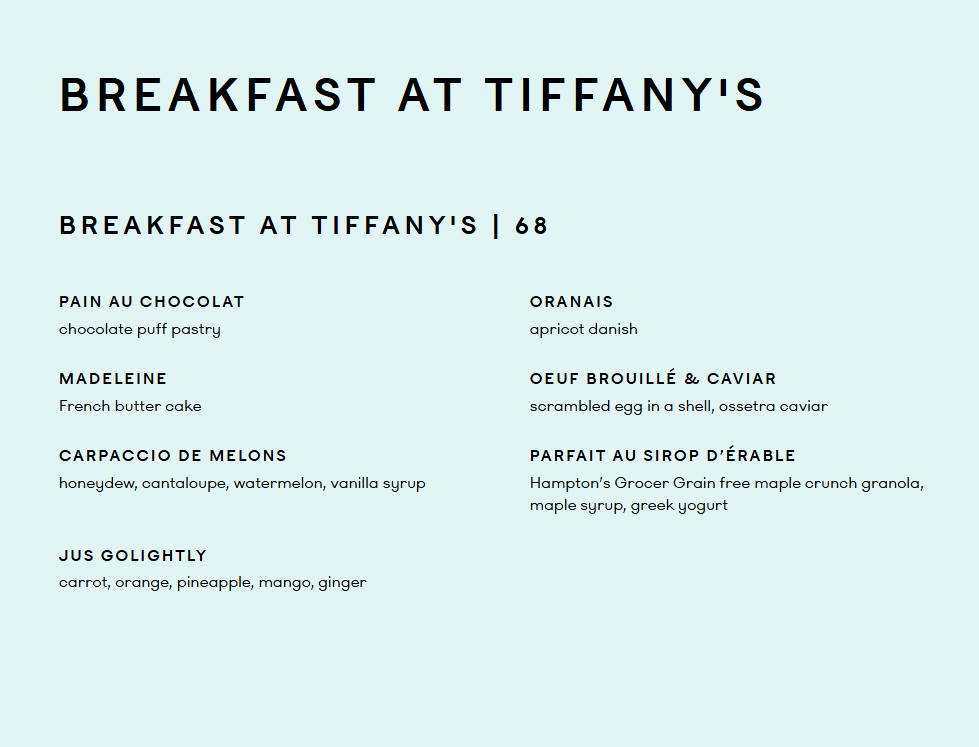
The signature “Breakfast at Tiffany’s” set ($68) plays the film reference through the plates: a pain au chocolat, an apricot Oranais Danish, a French butter madeleine, scrambled egg served in the shell with Ossetra caviar, a melon carpaccio (honeydew, cantaloupe, and watermelon in vanilla syrup), a maple parfait built on Hampton’s Grocer grain-free granola with Greek yogurt, and a Jus Golightly — carrot, orange, pineapple, mango, and ginger. Named for Holly, of course.
Address: The Landmark (Tiffany Fifth Avenue Flagship), 727 Fifth Avenue, New York, NY 10022
Opened: 2017 (redesigned and reopened 2023)
Created by: Tiffany & Co. What they offer: Breakfast, afternoon tea, brunch, desserts, and seasonal menus
Opening hours: Reservation-based; Tuesday to Sunday
Why visit: A movie-inspired fantasy turned into a real travel destination — one of the most reservation-driven lunch spots in Midtown for a reason.
8. Louis Vuitton Cafés & Restaurants — Seoul, Bangkok, Osaka & More
A fashion house building complete lifestyle destinations

Founded in France in 1854 as a maker of luxury travel trunks, Louis Vuitton has always been connected with journeys and exploration. In recent years, the brand has expanded its hospitality footprint significantly — cafés, restaurants, and cultural spaces around the world.
Highlights include Le Café Louis Vuitton at Louis Vuitton The Place Seoul in Cheongdam-dong, which combines dining with brand exhibitions and architecture; Sugalabo V by chef Yosuke Suga at Louis Vuitton Ginza Namiki in Tokyo; Le Café V at Louis Vuitton Osaka Midosuji, the first LV café to open (2020); and the LV Dream cultural space in Paris. Bangkok’s Louis Vuitton Villa at Gaysorn Amarin and other regional projects are following.
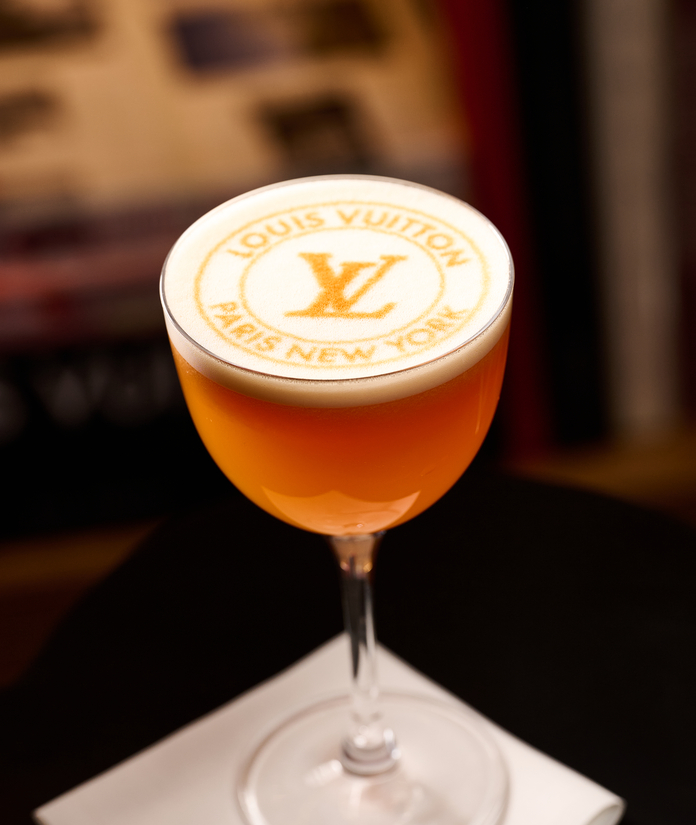
These spaces are consistently designed as complete Louis Vuitton experiences — dining is one element alongside exhibitions, architecture commissions, and retail — rather than standalone cafés.
Locations: Seoul (Cheongdam-dong), Bangkok, Osaka Midosuji, Tokyo Ginza Namiki, Paris (LV Dream), Chengdu, and expanding
Opened: Various dates from 2020 onward
Created by: Louis Vuitton
What they offer: Coffee, restaurants, tea rooms, exhibitions, cultural installations, and full lifestyle programming
Opening hours: Depends on location; typically follows flagship hours
9. Dior Café (The Golden House) — Bangkok, Thailand
A café built around the full Dior universe

Founded by Christian Dior in Paris in 1946, Dior has expanded from haute couture into beauty, jewelry, home, and — increasingly — hospitality. Dior Café at Dior Gold House on Sukhumvit Road in Bangkok combines fashion retail, architecture, and dining inside a single carefully designed environment.
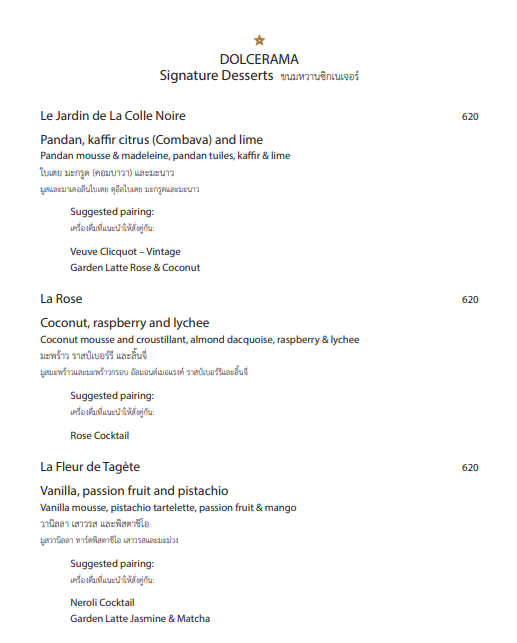
The building itself, opened in 2024, is one of the more distinctive Dior spaces in Southeast Asia — a golden lattice façade referencing Christian Dior’s cannage weave motif, with the café occupying an upper floor overlooking the surrounding city. The menu is designed around Dior-inspired desserts, patisserie, drinks, and light afternoon offerings, with the presentation as central as the flavor.
The signature dessert list is the reason most people book. L’Abeille (620 THB) is a honey mousse threaded with jasmine, a hazelnut texture, a Cannage-motif tuile, and a small white chocolate bee — the dessert version of Miss Dior, with a pairing suggestion of Dom Pérignon Rosé or Sencha Matcha Émeraude tea.
Le Soleil (620 THB) is a trio of 64% Manjari chocolate — mousse, three-chocolate ganache, and biscuit — with caramelized banana purée and a golden sun tuile, paired with the house Lavande cocktail.


The Rose ice cream cup blends milk-of-roses ice cream with fresh lychee and raspberry, served as a small Dior flower arrangement.
Address: Dior Gold House, Sukhumvit Road, Bangkok, Thailand
Opened: 2024
Created by: Dior
What they offer: Desserts, patisserie, coffee, tea, cocktails, and seasonal creations
Opening hours: Follows Dior Gold House retail schedule
Why visit: A modern example of fashion becoming an immersive lifestyle experience — worth pairing with a wider Bangkok trip through our Bangkok guides.
10. Jacquemus Café Experiences — Paris, Provence & Beyond
The playful Mediterranean side of luxury fashion

Founded in 2009 by French designer Simon Porte Jacquemus, the brand became famous for its relaxed Mediterranean style, oversized accessories, and playful campaigns — the tiny Le Chiquito handbag, the giant summer hats, the pink lavender fields of Provence.
Unlike traditional luxury houses, Jacquemus works food as part of its brand storytelling. The brand has run temporary cafés at Galeries Lafayette in Paris, staged the memorable Le Bleu café pop-up (all-blue interior, blue food), operated seasonal beach cafés along the Mediterranean coast, and dropped one-off installations tied to specific collections. Each project is short-run and location-specific — check the Jacquemus Instagram for the current one.
Locations: Rotating pop-ups in Paris, Provence, and Mediterranean destinations
Opened: Ongoing series of temporary projects since 2020
Created by: Simon Porte Jacquemus
What they offer: Seasonal cafés, drinks, and Mediterranean-inspired food experiences
Opening hours: Depends on each project
Why visit: Jacquemus shows how fashion can become a place, a mood, and a memory — not only clothing. The pop-ups are the closest thing to a fashion show you can eat.
The new luxury souvenir
The best souvenir from a trip is no longer always something you take home. Sometimes it’s a coffee in Paris, an ice cream in Islington, a book from a Left Bank salon, or an afternoon spent browsing records inside a fashion house’s Rive Gauche outpost. These spaces show how the world’s biggest brands are quietly becoming part of the cultural map of the cities they inhabit — worth a stop even if the boutique upstairs isn’t part of your budget.
For more of our editorial city coverage see our Paris guides, London guides, and New York guides.