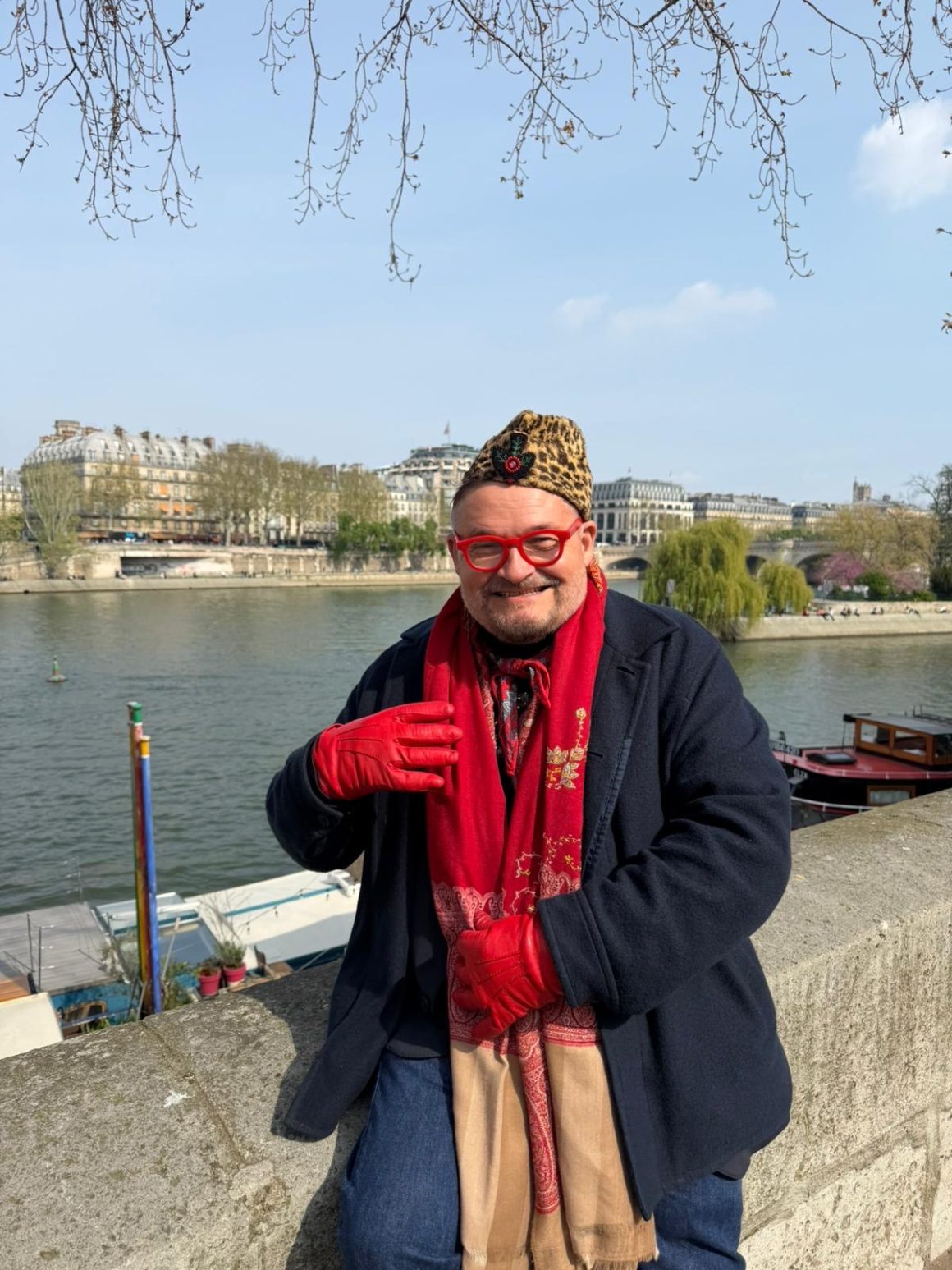
Alexandre Vassiliev has traveled to more than 85 countries. He has been leading private tours across Morocco — both the north and the south — for many years. For Locals Insider, the fashion historian, set designer, and collector has put together a personal guide to Morocco’s cities. This is the second in the series — Casablanca.
A City That Cannot Disappoint Anyone Who Loves the Era
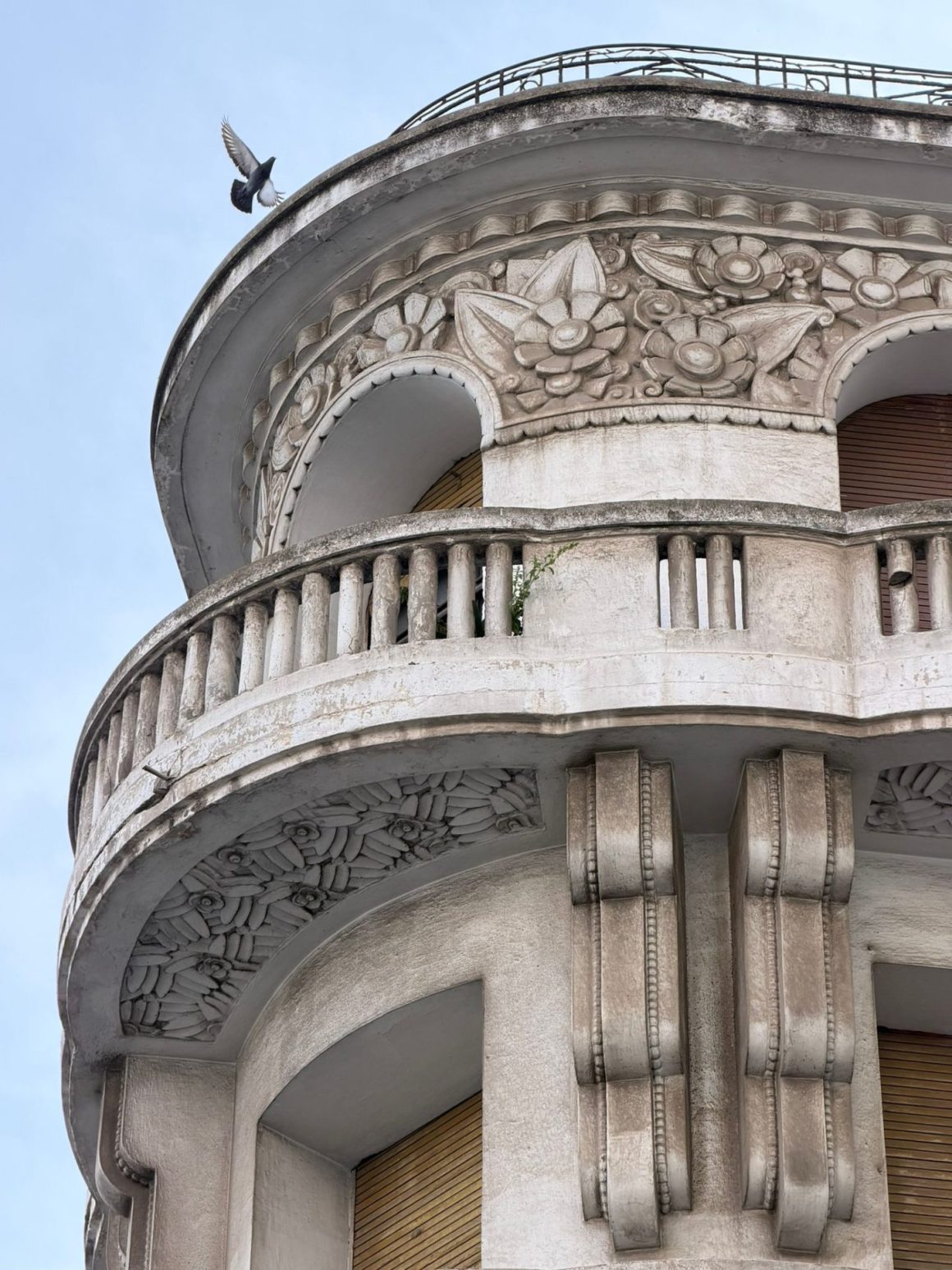
Casablanca is an Art Deco city. And for those who love the interwar period — that stretch of the twenties and thirties — Casablanca is paradise. Because it was built by French architects after the end of World War I. Morocco gained its independence and became a sovereign kingdom only in the 1950s.
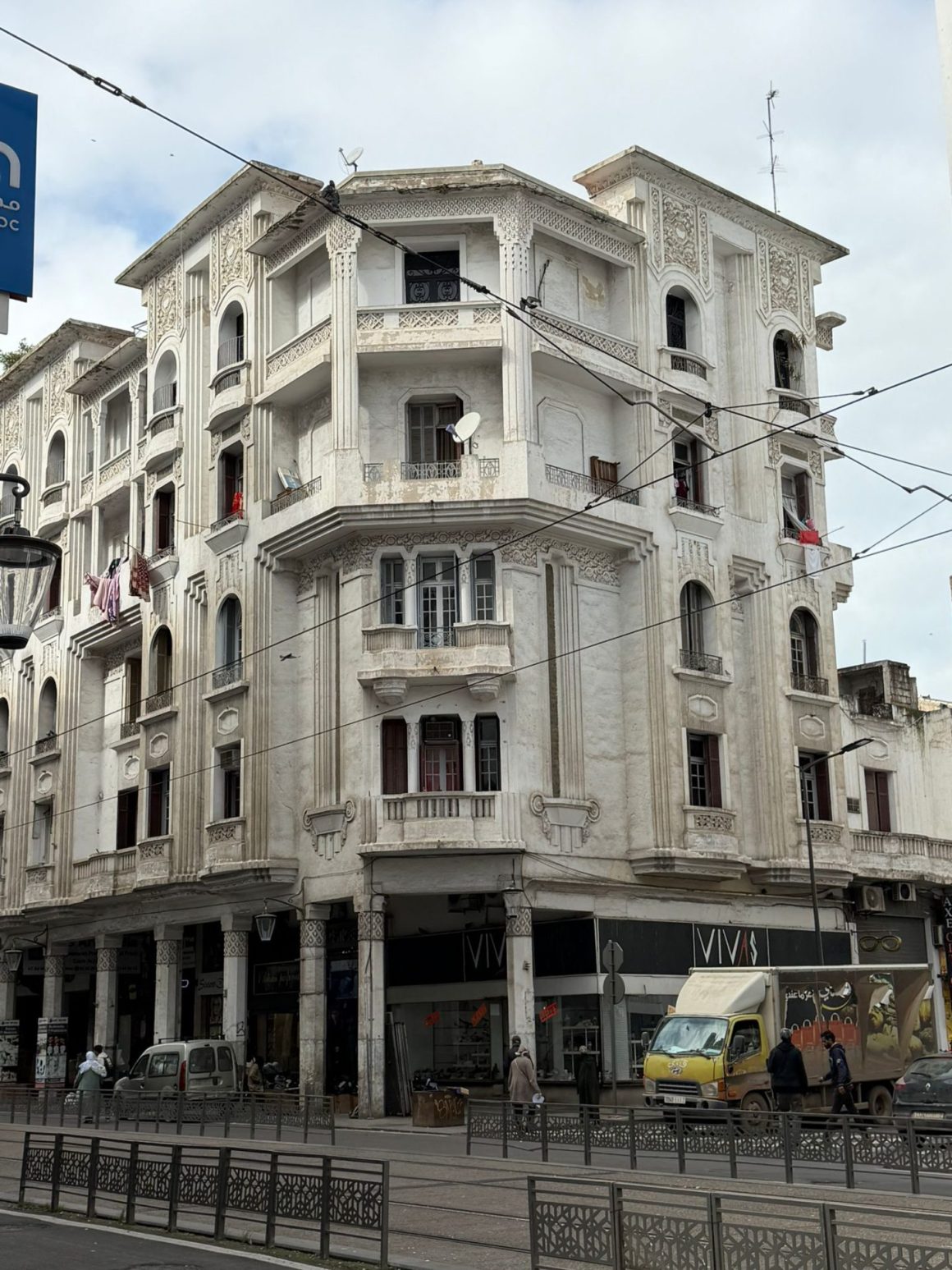
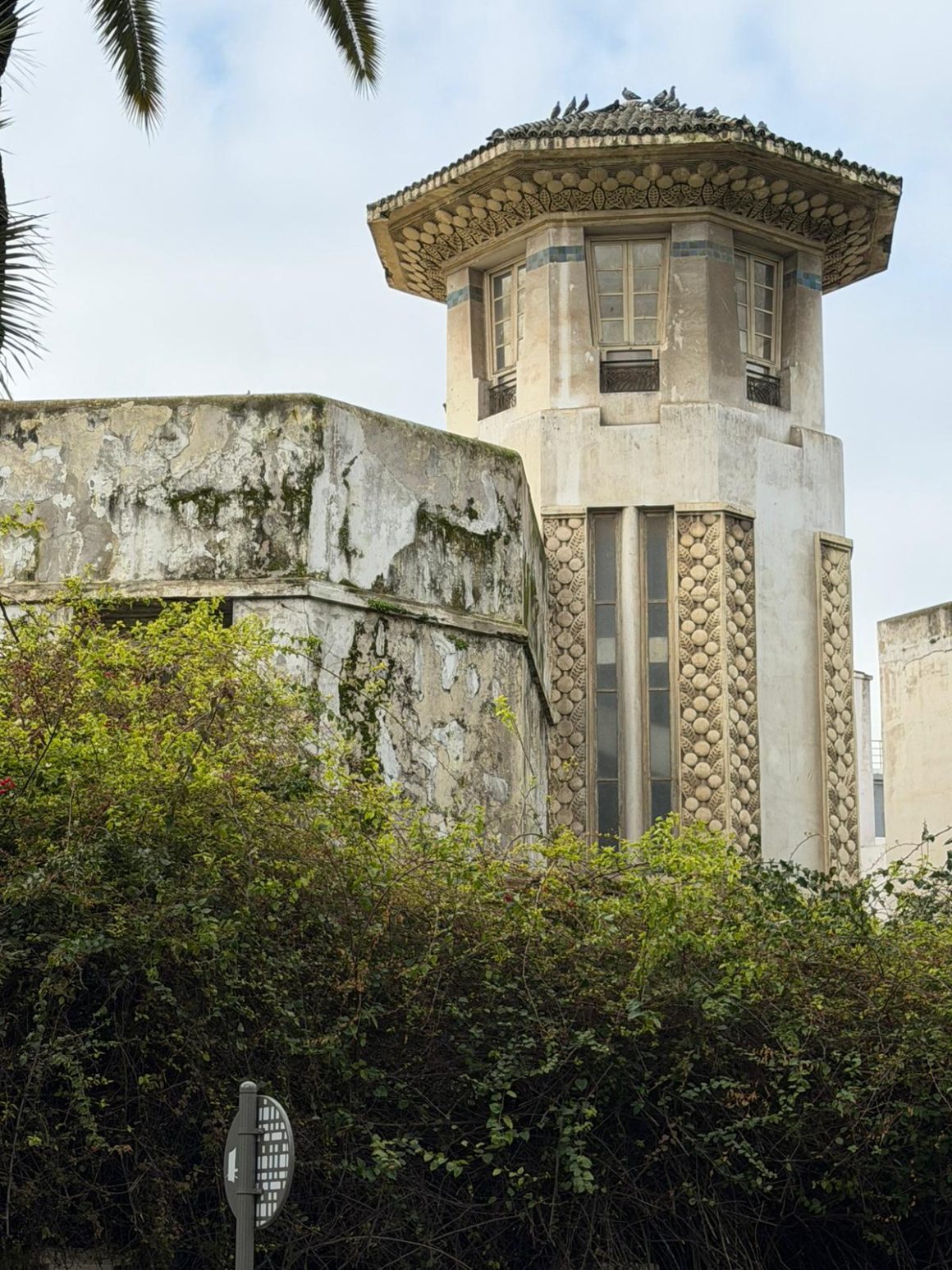
Construction slowed at some point, which is precisely why the city became a kind of time capsule — a preserved cross-section of a particular moment in history. A place where money flowed, and where young French architects, fresh out of the École des Beaux-Arts in Paris, experimented on new projects without the slightest hesitation.
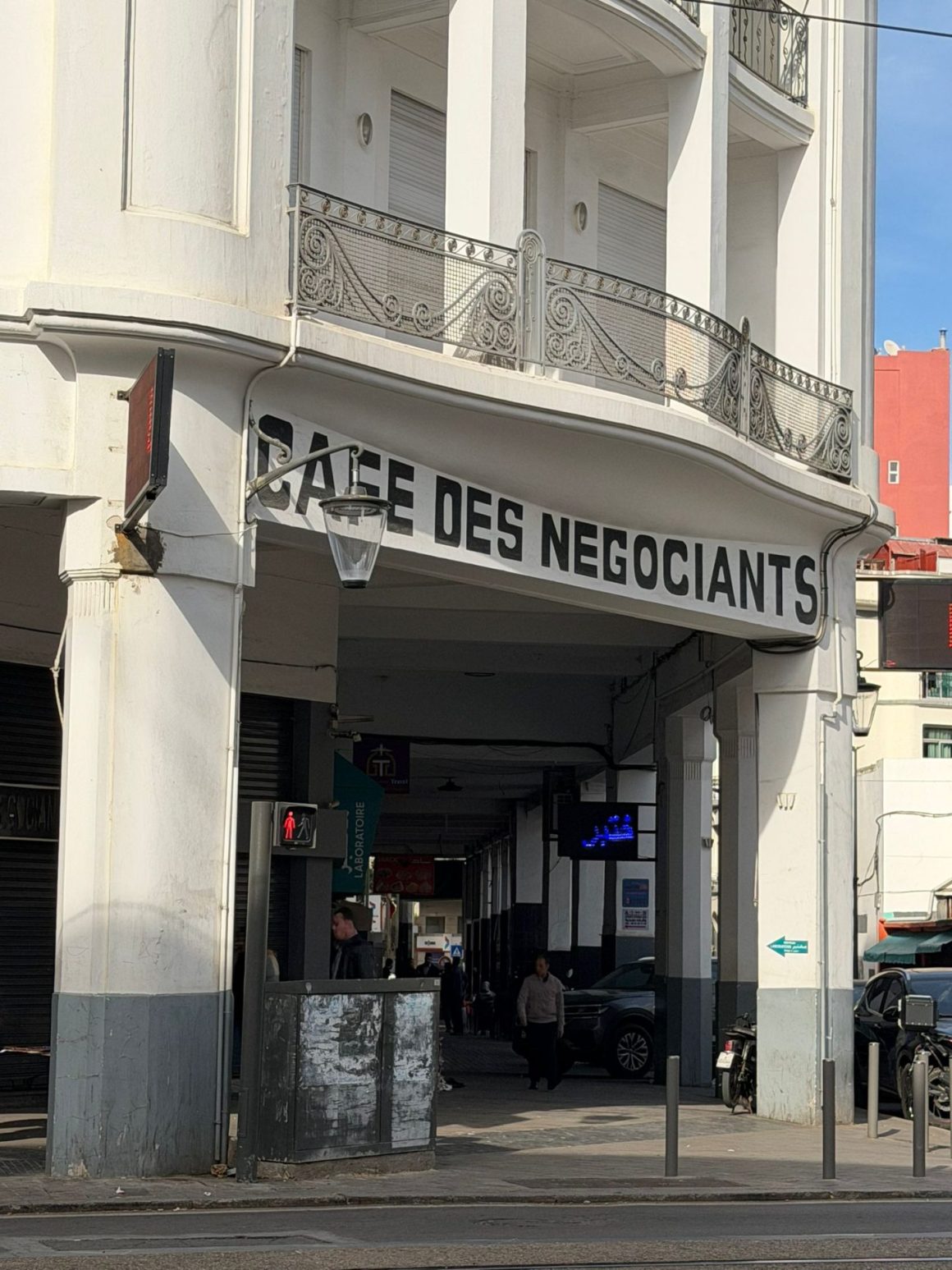
Mansions, apartment buildings, restaurants, cafés — all built with such extraordinary wrought-iron grilles, stained glass, doors, and mosaics that it’s simply breathtaking. The main downside is the lack of upkeep. I love photographing there.
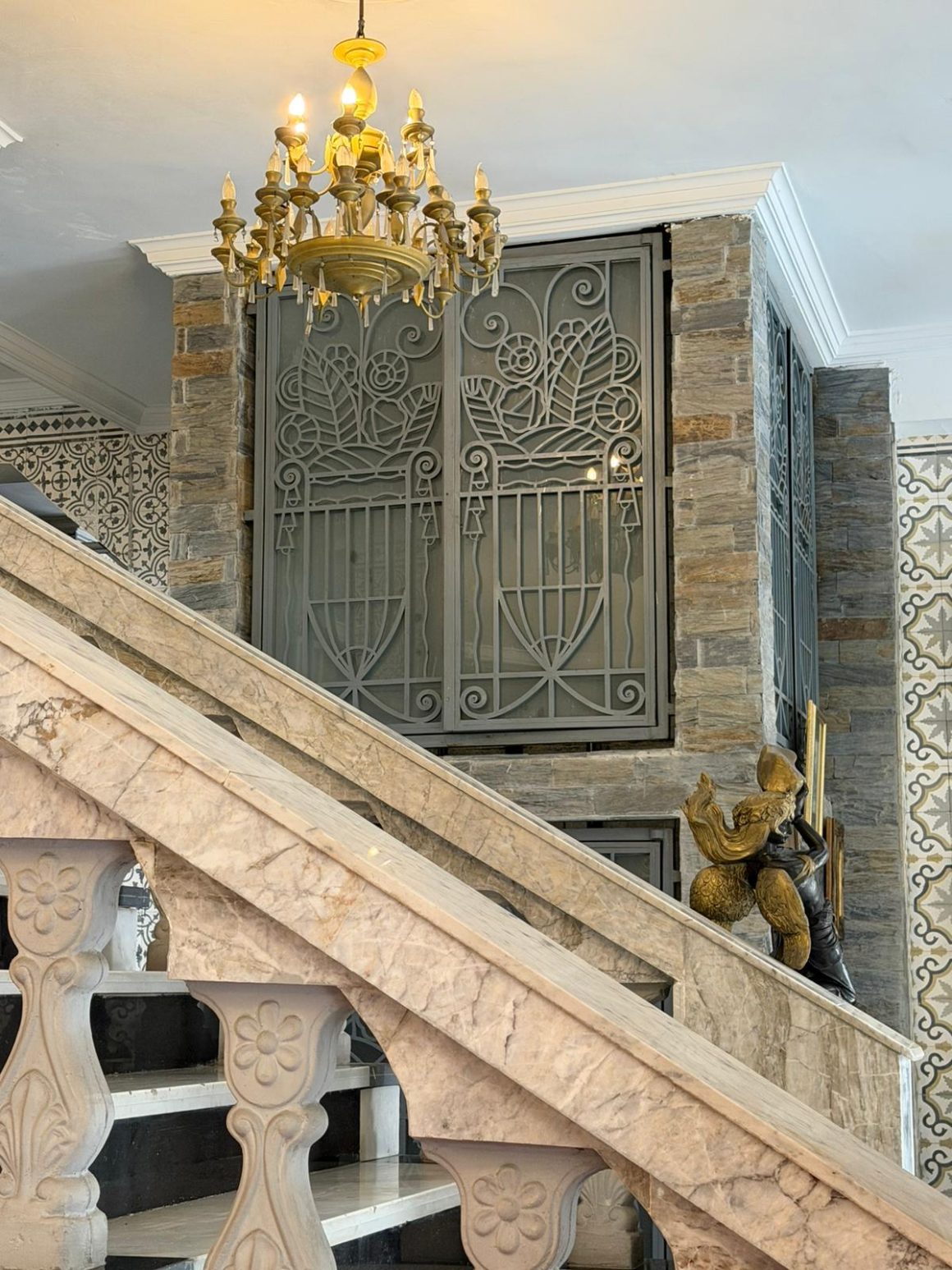
Many things are not just dusty — they genuinely need a good wash and some restoration. But compared to other cities in North Africa, Egypt for instance, Morocco is in much better shape.
As someone with a deep passion for antiques, I should mention that Casablanca has antique shops absolutely stuffed with artifacts from the French colonial period — porcelain, faience, metalwork, wood, plastic, jewelry, and so on.
The French are no fools, of course, and antique dealers have been coming there for the past four decades, carting pieces off to sell in France en masse. Because, in essence, this is French art that happened to live on Moroccan soil.
What to See in Casablanca
The Hassan II Mosque
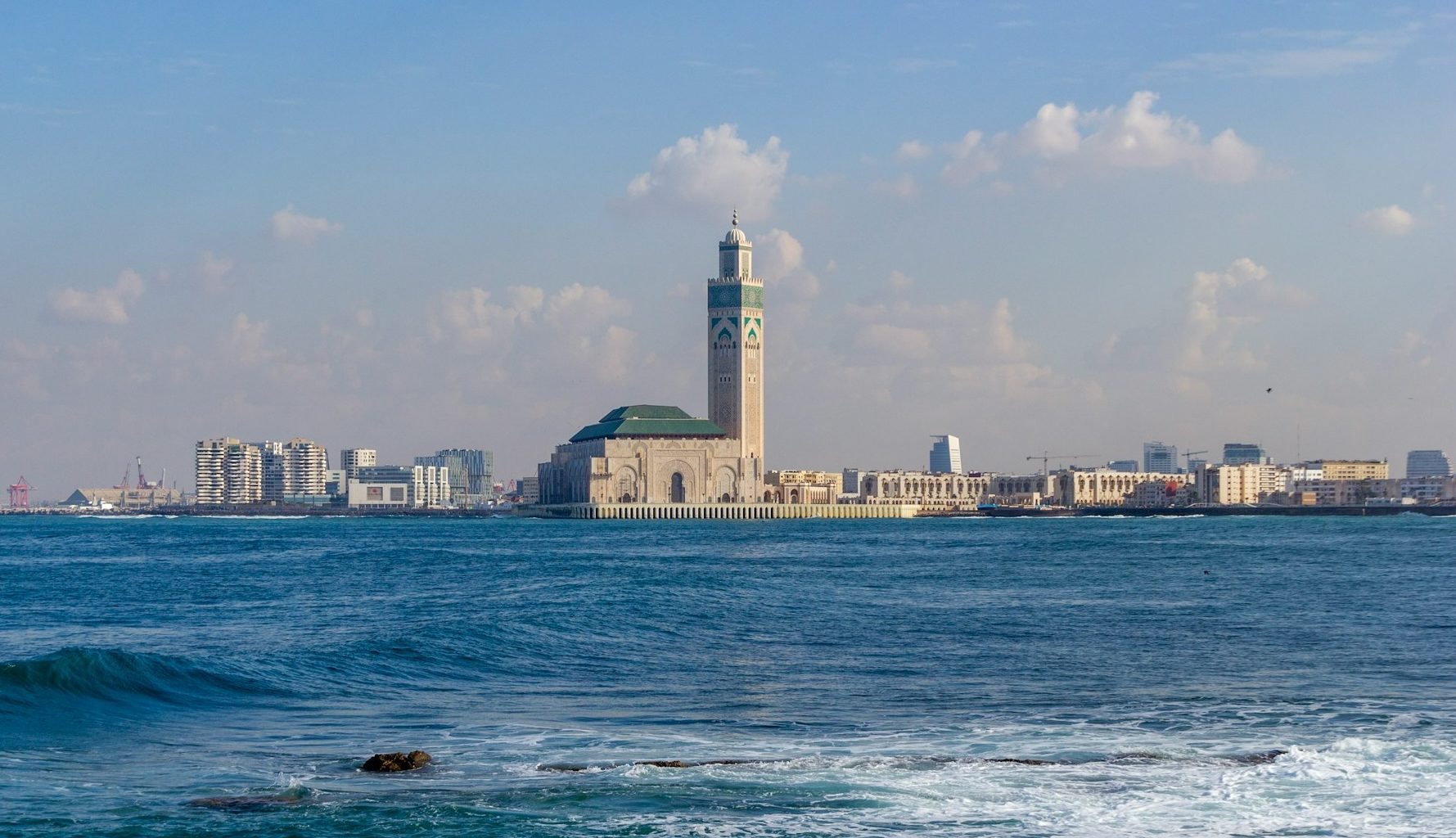
Casablanca has a truly unique mosque — the Hassan II Mosque. It was built relatively recently and opened in 1993.
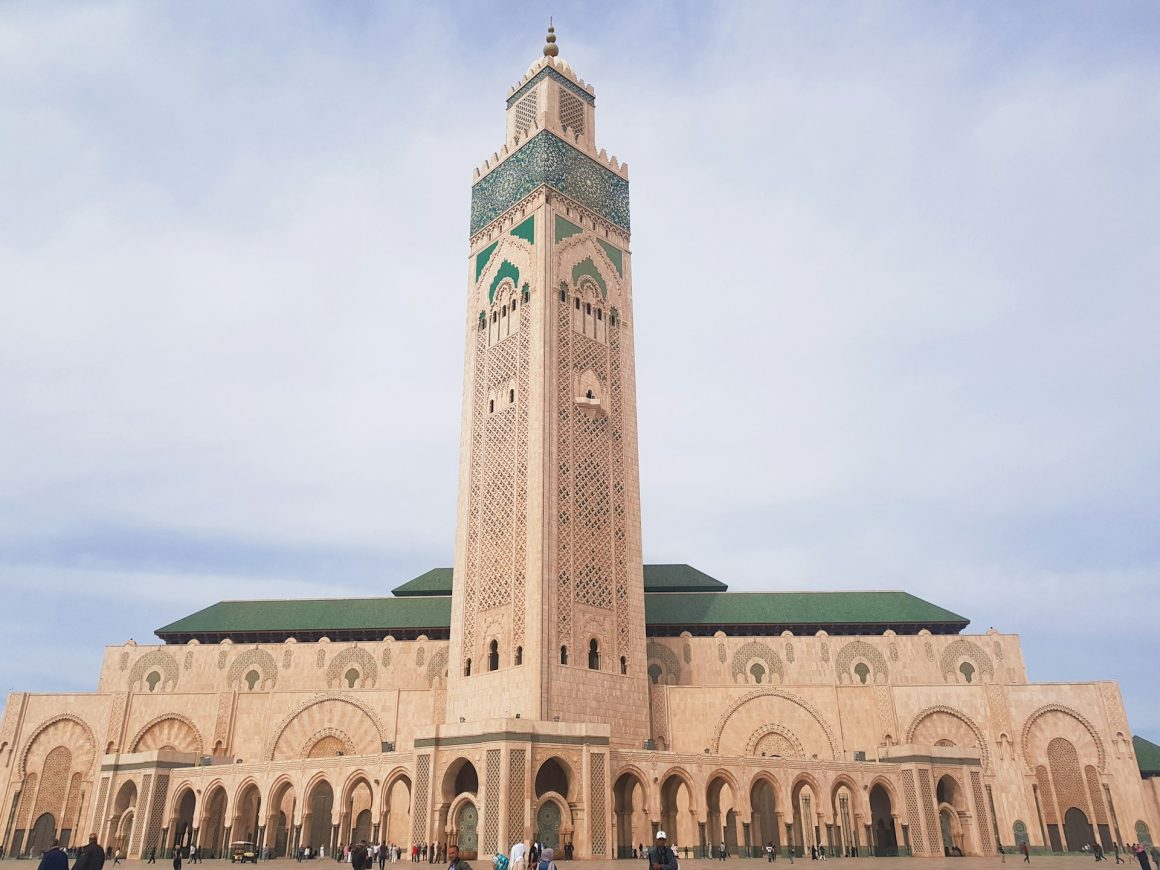
The third-largest mosque in the world, it sits on a man-made platform right on the edge of the Atlantic Ocean. The building is the work of French architect Michel Pinseau — constructed using local materials, with painting, stucco work, and mosaics throughout. And then there are the Murano glass chandeliers from Italy. Not being a fervent mosque-visitor by any stretch, I am simply in awe of what I see there.
Christian Churches
A few Christian churches have survived as well — Notre-Dame Cathedral, for instance, which has since become a rather empty exhibition space, also in the Art Deco style.
And there is even a Russian Orthodox church from around 1930 — a legacy of the first wave of Russian emigration. It’s small, intimate, tucked into a street corner, with blue onion domes reminiscent of Pskov. It looks like a completely unique pensioner of the past, somehow still standing. A very interesting place.
Walking the Streets
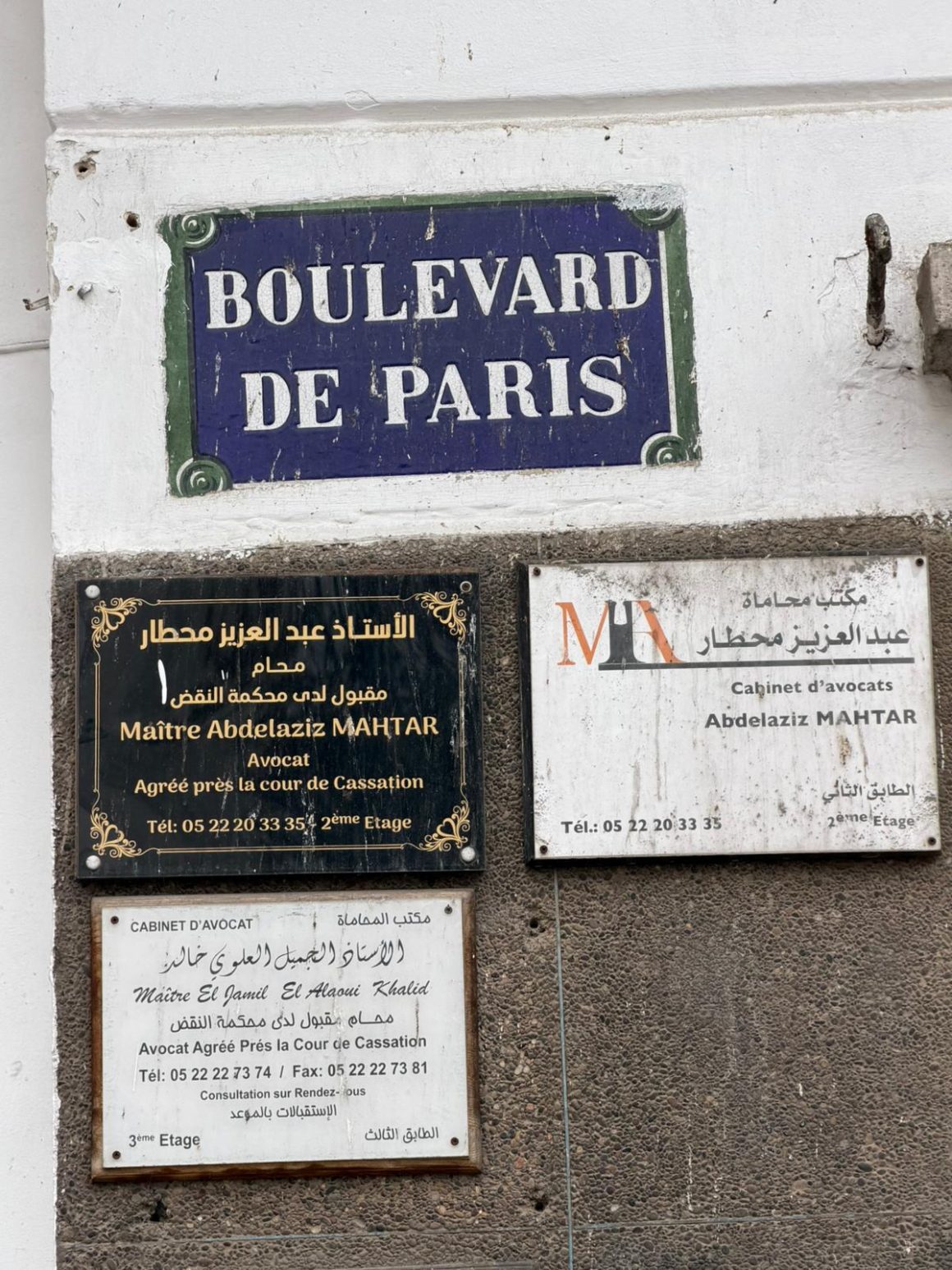
The streets are endlessly fascinating! All the French names have been preserved — not a single sign has been changed since 1956. So you have cafés called “Normandie,” “Petit Paris,” “Bordeaux,” “Nice.” It’s so wonderfully characteristic.
Casablanca Highlights from Locals Insider:
- Hassan II Mosque — Boulevard Sour Jdid — the city’s main landmark. Open to non-Muslims with a guided tour. Entry around $13. Best to arrive in the morning.
- Sacré-Cœur Cathedral (former Notre-Dame de Casablanca) — Boulevard Rachidi — a striking Catholic cathedral in 1930s Art Deco style, now an exhibition space. Free entry.
- Russian Orthodox Church of the Resurrection — Rue Soumaya — a small 1930 church with blue domes, a monument to the first wave of Russian emigration. One of the city’s most unexpected addresses.
- Habous Quarter (Nouvelle Médina) — Avenue Mers Sultan — Moorish-style neighborhoods built by the French in the 1930s. Antique shops, jewelers, ceramics.
- Art Deco District — Boulevard Mohammed V — the historic city center with the highest concentration of interwar buildings. Perfect for a slow walk with a camera.
A Museum Worth Every Minute
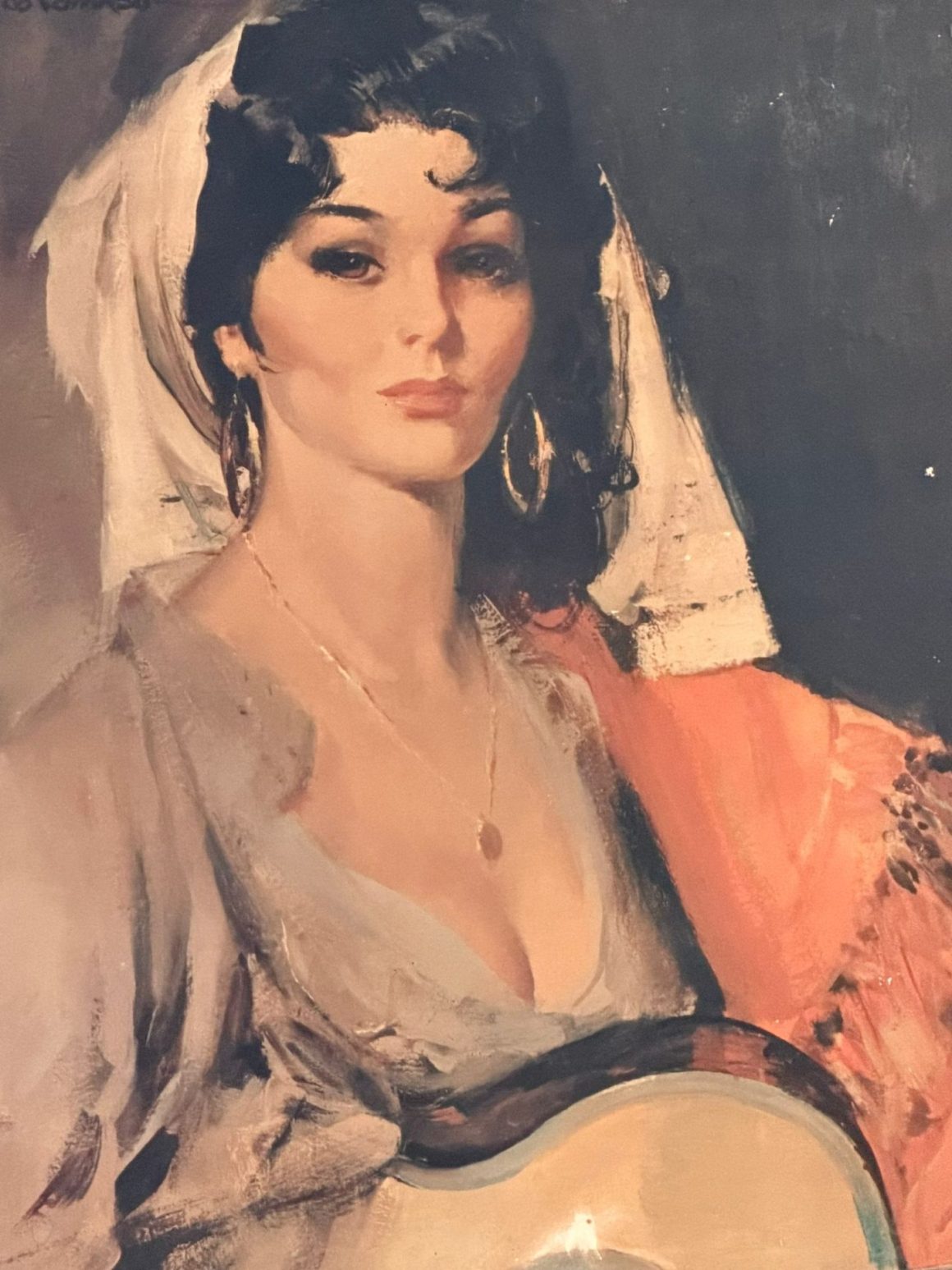
- Museum of Fine Arts — Villa des Arts, 30 Boulevard Brahim Roudani — a collection of 19th–20th century French colonial painting in a mansion. Small, but full of atmosphere.
Casablanca has a museum — an art museum, of all things — housed in a magnificent villa, though its historical collection is very, very small. It’s mostly French landscape painting from the colonial period — decorative pieces, dating roughly from 1900 to the 1920s.
Worth noting: the French protectorate over Morocco was only declared in 1912. Before that, the French were rare visitors.
Which is precisely why construction only began in earnest during that period — and then, in 1914, the war started and everything stalled. The bulk of what you see was built in the postwar years, and built with such ambition that you feel as though you’re in Nice, or in Paris, in a fine stretch of the 16th arrondissement. It is simply a magnificent city.
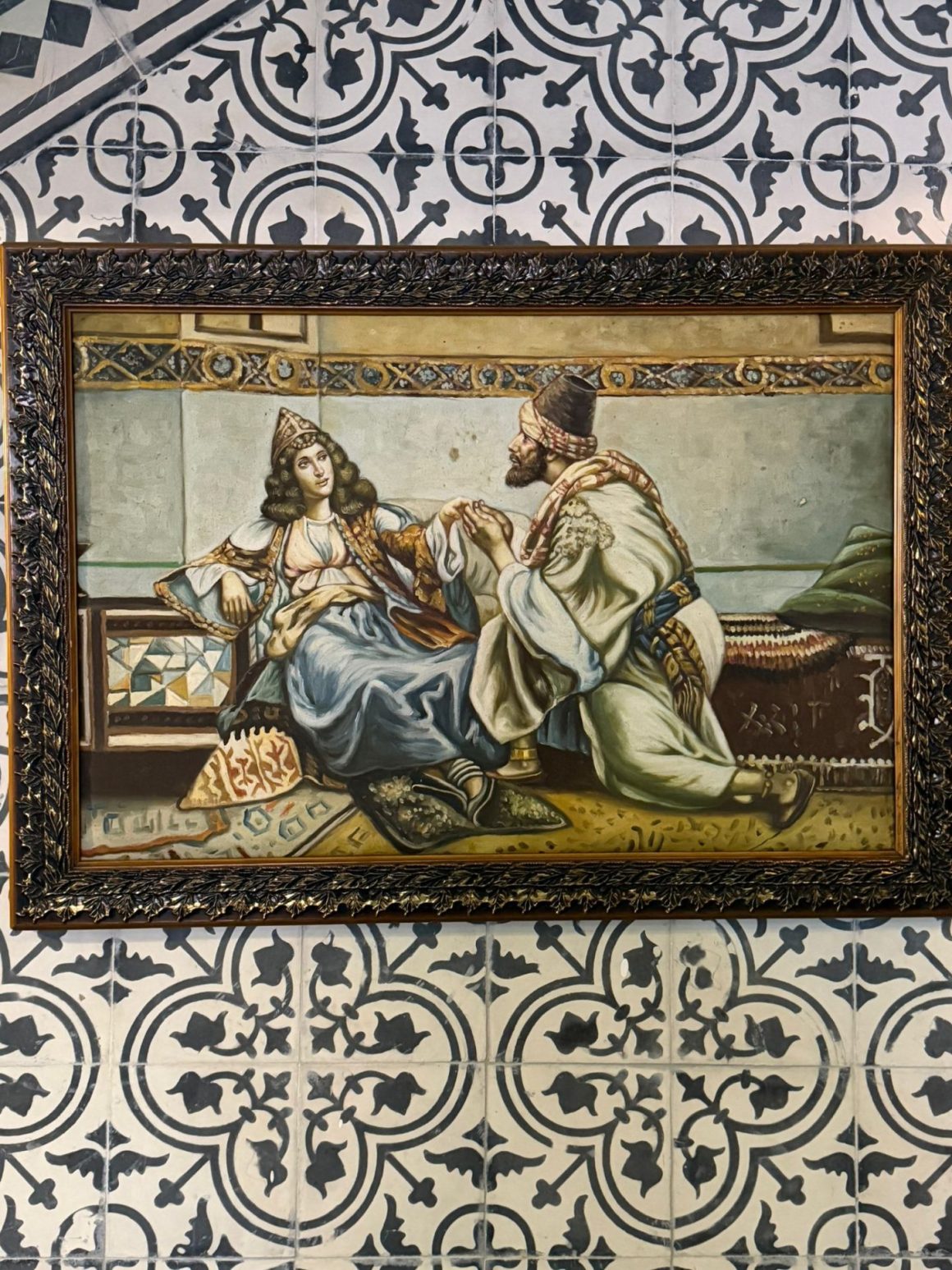
If you’re going to spend your energy fretting over broken windows and dusty ironwork, you won’t enjoy it. But I understand there’s no perfection in this world, I don’t go looking for it — and I find Casablanca to be one of the most remarkable cities in all of North Africa. I’d put only three others in the same league: Algiers, Oran, and Alexandria in Egypt.
How to Navigate the City
There are parks, but visitors need to move through Morocco with a certain awareness. For one thing, women should not wander alone. Not because it’s dangerous — Morocco is, on the whole, a safe country.
But Moroccan men have a poor attitude toward women walking unaccompanied, even two women together. They tend to assume those women are “available.” It’s not that they’ll be constantly aggressive, but they will be curious: what are you two doing here, why aren’t you wearing a veil? I’d particularly advise against it at dusk.
I walk the streets freely. Absolute safety in the sense that no one is going to grab your bag. But don’t flash your money around or wave it like a fan in the street. That simply isn’t wise.
And of course, women should dress modestly. This is a Muslim country — no tank tops, no low-cut necklines, no shorts. Forget it, opt for something more understated.
Public transport here is excellent — very clean and modern trams.
Casablanca in World Culture
Casablanca holds an enormous place in global popular culture, because it was immortalized by the 1942 film Casablanca, starring Humphrey Bogart and Ingrid Bergman. It’s a film about the anti-fascist resistance during the German occupation of North Africa — shot entirely in Hollywood, in Burbank, California, dressed up to look like Casablanca.
The film is extraordinary. It’s one of the finest things Hollywood ever produced — with stunning musical motifs and a deeply moving love story. A love triangle, naturally. A young Swedish actress, Ingrid Bergman, has fallen in love with a Hungarian dissident from the Hitler regime, who is then arrested and declared dead.
After a period of mourning, she meets an American playboy played by Humphrey Bogart, and lives a very passionate love affair with him in Paris. She’s preparing to go into exile — when suddenly word reaches her that her husband is not dead after all, and is waiting for her.
She leaves the American and goes wandering with her husband, eventually landing in Casablanca — at Rick’s Café, which by that point belongs to the very same American she had the affair with.
The story is wonderfully tangled. Anyone who hasn’t seen this film — I strongly urge you to.
Rick’s Café: A Mandatory Stop
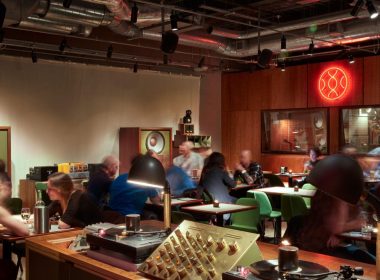
Casablanca has one extraordinary restaurant — Rick’s Café. Reservations are required; it’s that popular. It’s set inside a historic early-20th-century mansion and decorated after the film’s sets so faithfully that you feel you’re on the 1942 set itself.
The music playing there, the lamps, the furniture — all of it. And the menu is genuinely refined. I go there regularly and recommend it to everyone at least once in their life, because the impression is absolutely unforgettable.
I never recommend anything bad. This, I would say, is a must.
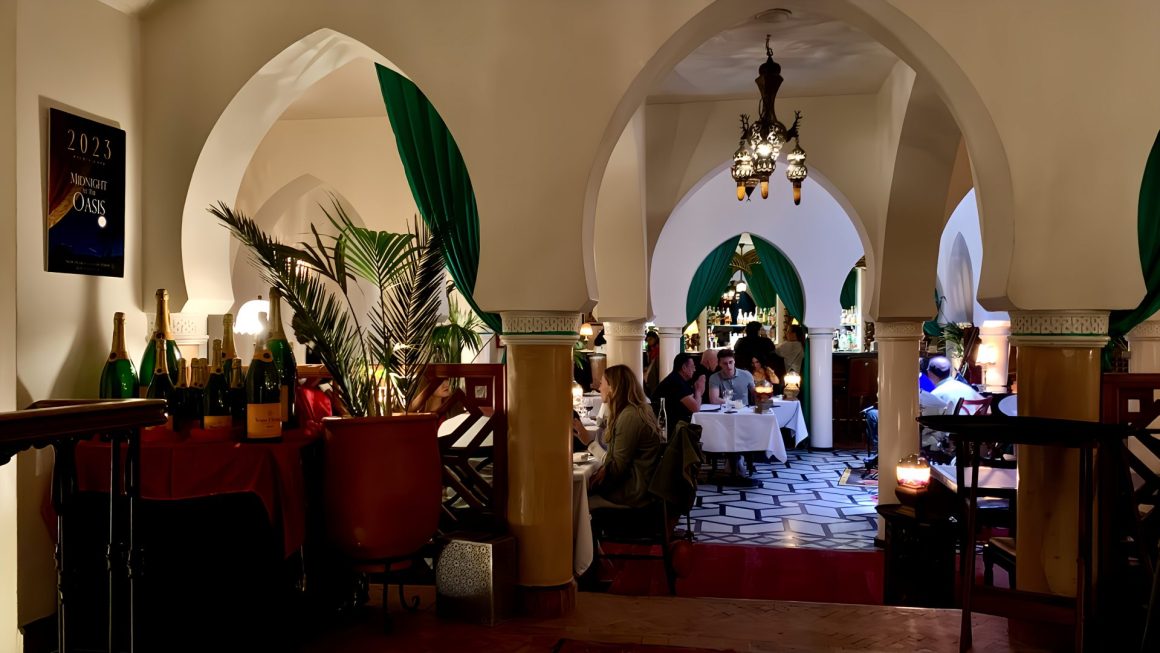
It belongs to an enterprising American woman, Kathy Kriger — a former commercial attaché at the US Embassy in Morocco. She saw the logic clearly: the film exists, Rick’s Café is famous from the film, and yet the café itself didn’t exist in Casablanca.
She bought the mansion, reproduced the sign from the film, hung posters everywhere — and runs the movie on screen in the restaurant’s living room. Total immersion. Brilliantly done.
Restaurants in Casablanca from Locals Insider:
- Rick’s Café — 248, Boulevard Sour Jdid, Ancienne Médina — a restaurant recreated after the 1942 film. Live music every evening, refined menu with Moroccan and international cuisine. Reservations are essential.
- La Sqala — Boulevard des Almohades, Parc de la Ligue Arabe — a restaurant inside the walls of an 18th-century Portuguese fortress. Moroccan cuisine in a historic setting with an open garden. One of the most romantic addresses in the city.
- Le Cabestan — Boulevard de la Corniche — a seafood restaurant with a terrace directly above the Atlantic. The best view in the city, and the freshest fish. Book for sunset.
Boxer Cerdan, Édith Piaf, and Hôtel Volubilis
And I want to tell you something else — there are some extraordinary interiors still surviving in the cafés and hotels. For example, I stumbled upon a very fine, very beautiful old hotel: the Hôtel Volubilis, dating from 1919, where all the original Art Deco furniture remains — vases, clocks, chandeliers in the lobby. And where Édith Piaf once stayed with her common-law husband, boxer Marcel Cerdan — who was born in Algeria but grew up in Casablanca and is considered one of its symbols.
For photo shoots, film shoots, productions — this is a uniquely extraordinary place of almost otherworldly beauty. And the rates are around $30 a night. My female companions on a recent trip, however, were not impressed by the rooms. They said: “Not really our style.”
But everyone has different standards, you know. Some want to travel cheaply, some want to travel in comfort.
Where to Stay in Casablanca
There are plenty of modern hotels on the oceanfront, but you’ll be hard-pressed to find anything decent under $100 a night. Good hotels run $400, $500. It’s all quite serious — this is not a cheap city.
The historic hotels I mentioned, on the other hand, are without pretension — but full of atmosphere. One is called Le Coq d’Or — named after Diaghilev’s successful 1914 production of The Golden Cockerel. Decorated in Art Deco style, it has one or two stars and rates somewhere around $25–30 a night. Without pretension. Possibly with insects.
Hotels from Locals Insider:
- Hôtel Volubilis — Rue Colbert 19, Médina — a historic 1919 hotel with original Art Deco furniture in the lobby. The former haunt of Édith Piaf and Marcel Cerdan. Around $30 per night.
- Le Coq d’Or — Rue Gay-Lussac, city center — a modest historic Art Deco hotel named after the Diaghilev production. One to two stars, around $25–30 per night.
- Four Seasons Casablanca — Boulevard de la Corniche — a contemporary hotel on the Atlantic. The best rooms overlook the ocean. From $400 per night.
- Kenzi Tower Hotel — Boulevard Mohammed Zerktouni, Twin Center — a business five-star hotel in the center with a panoramic city view. Good breakfast and a convenient location.
Casablanca on the Eve of Change: The 2030 World Cup
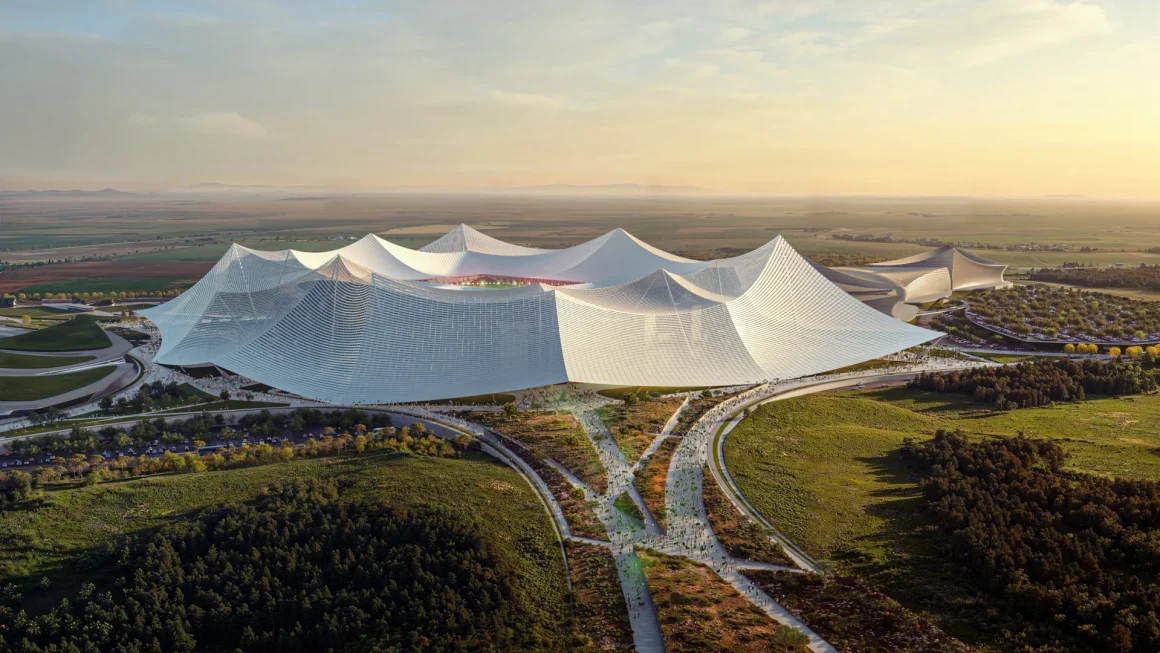
Casablanca will be one of the host cities for the 2030 FIFA World Cup. Morocco has been officially confirmed as a co-host alongside Spain and Portugal. King Mohammed VI is investing enormous resources in rehabilitating the city — everything is being painted, cleaned, scrubbed — because a great many tourists are coming.
Real estate there is still relatively affordable. So if anyone is thinking about relocating and setting themselves up without spending a fortune, I would recommend buying property in Tangier or Casablanca while prices are still reasonable. Though knowledge of French is almost always essential.
In Tangier you can get by with English — Gibraltar is nearby, and many people speak Italian, Spanish, or English — but in Casablanca everyone speaks Arabic and French, and nothing else. Without French you’re lost. With French, you’re royalty.
Practical Tips: What to Know Before You Go
- Speak French. In Casablanca, English will get you almost nowhere. With French you’re king; without it, you’re just a tourist.
- Dress modestly. This is a Muslim country. No tank tops, no low-cut necklines, no shorts — especially for women.
- Stay two to three days. One day is not enough. The wrought-iron grilles, stained glass, and mosaics are so beautiful that you never tire of being surprised. The ideal pace is a slow wander with a camera.
- Book Rick’s Café in advance. This is a must. You won’t get in without a reservation.
- Keep your camera ready. Casablanca is a photographer’s paradise for anyone who loves architecture. Ironwork, stained glass, mosaics — around every corner.
Planning a Trip to Morocco?
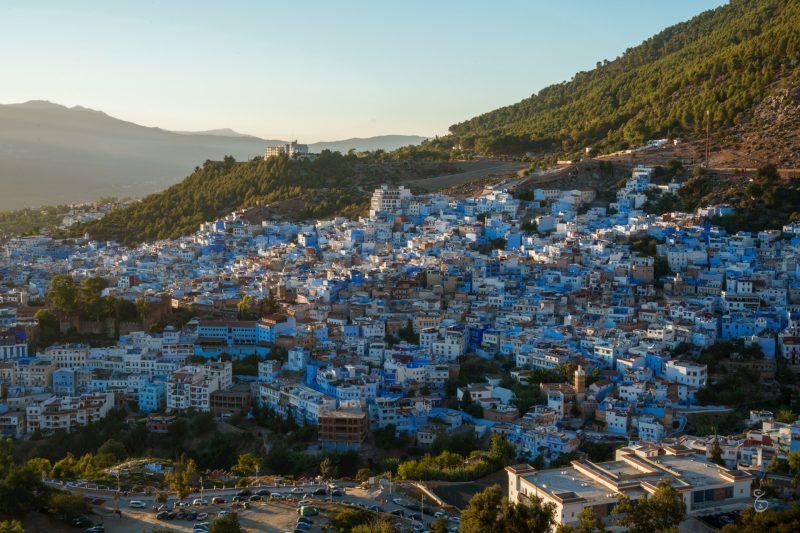
Casablanca is just one point on the map of a country that knows how to astonish you at every turn. If you’d like to start in the north and see the famous blue city in the Rif Mountains, read the first piece in the series — Alexandre Vassiliev’s guide to Chefchaouen.