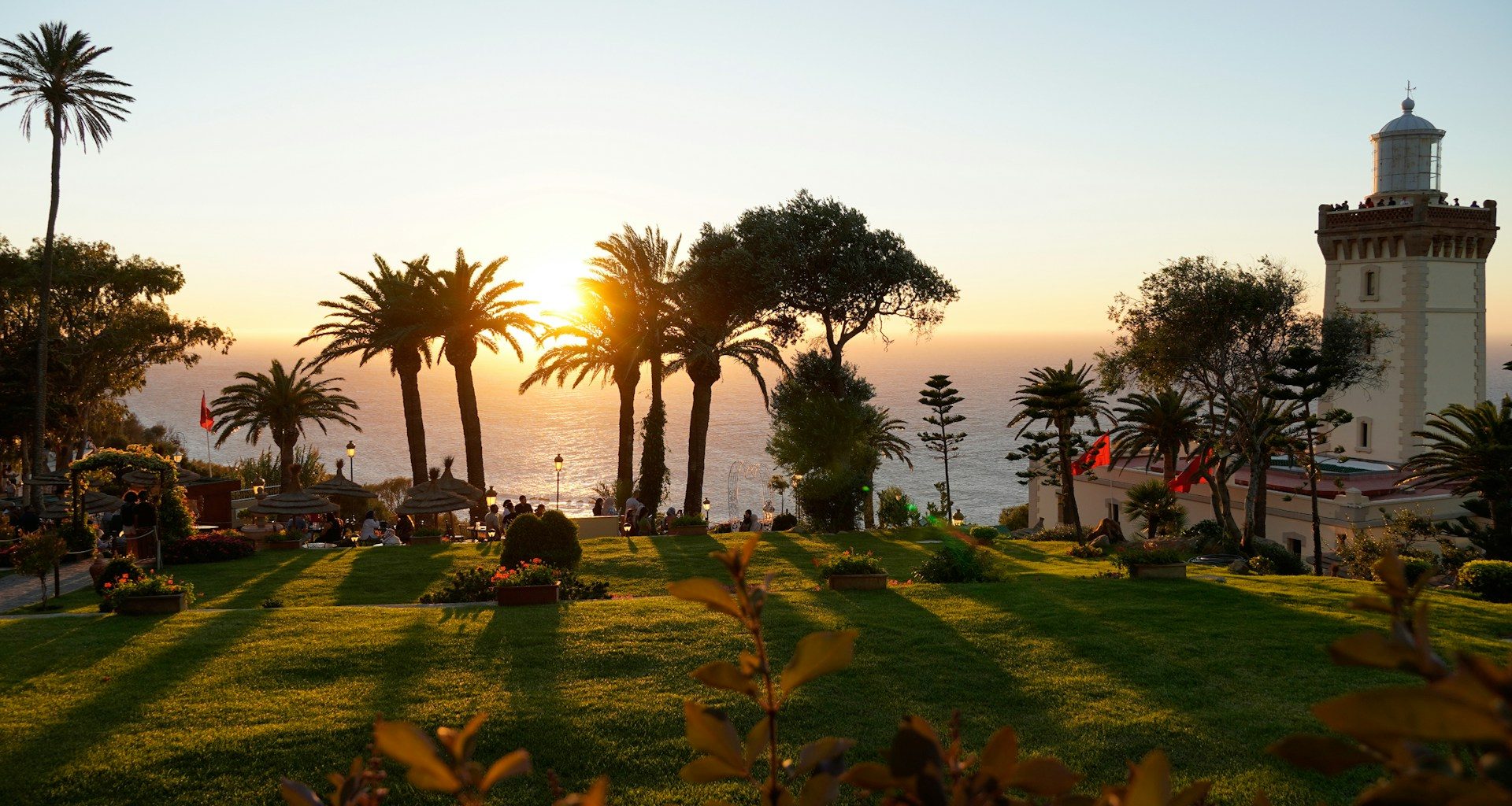
Alexander Vassiliev has led private tours across Morocco for many years — both through the north and the south. The fashion historian, set designer, and collector put together this personal guide to Moroccan cities exclusively for Locals Insider. This one is Tangier.
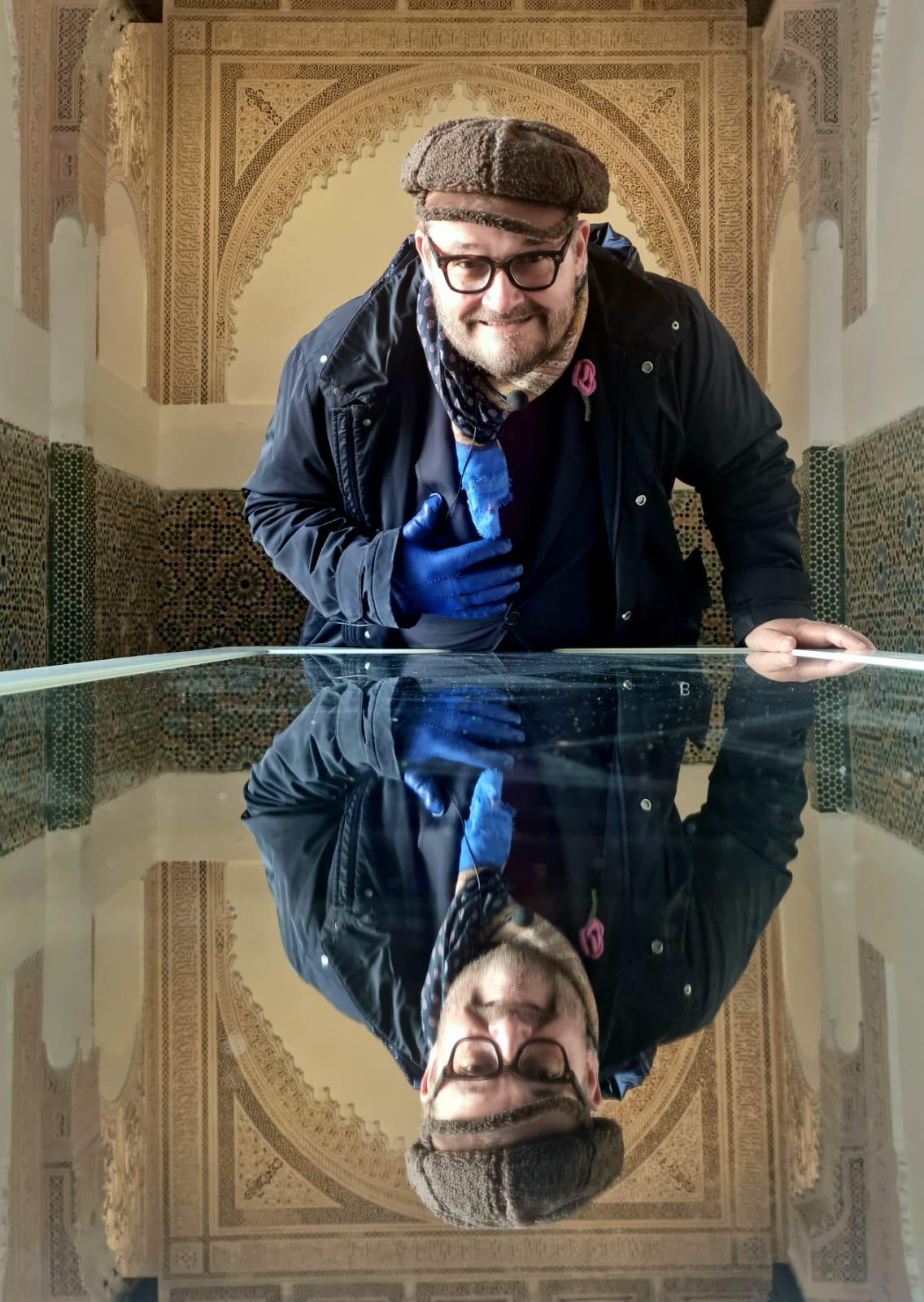
Tangier – Where Europe Looks Across to Another Continent
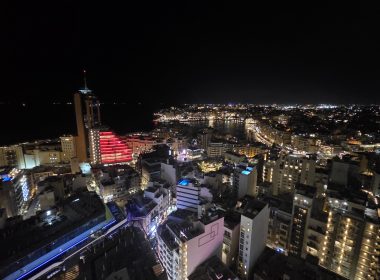
Tangier sits in northern Morocco — directly across from Spain, at the junction of two seas and two continents. Europe is a stone’s throw away through the narrow Strait of Gibraltar, and that geographical fact has shaped the entire destiny of this city. It is famous, above all, as a world capital of espionage — and rightly so. Spies of every stripe passed through here; deals were struck that later redrew maps.
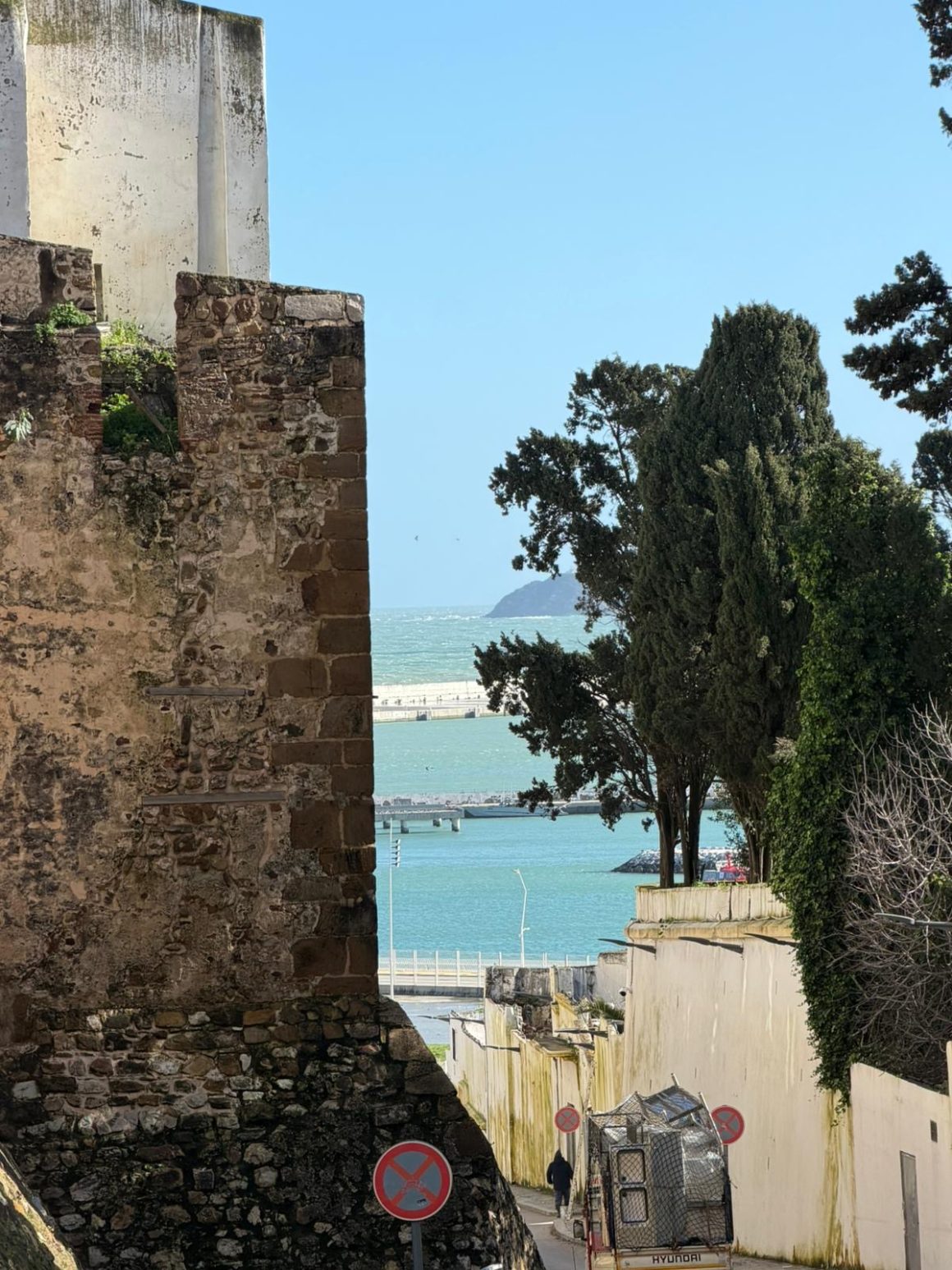
Tangier lived through a long era of international governance: from 1925 to 1956 it existed as a free zone administered first by Great Britain, France, and Spain, then joined by other powers — including the United States after World War II. It is a unique episode in the history of world diplomacy — a city that, simultaneously, no one owned and everyone wanted. That is the root of its cosmopolitanism.
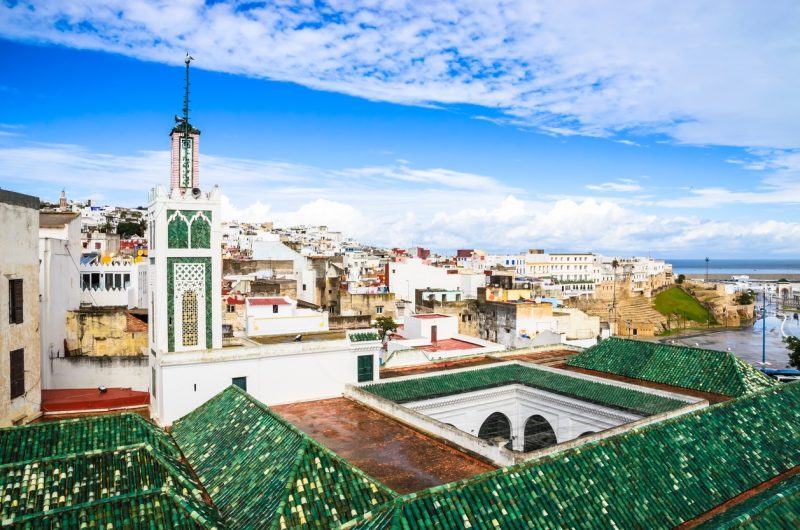
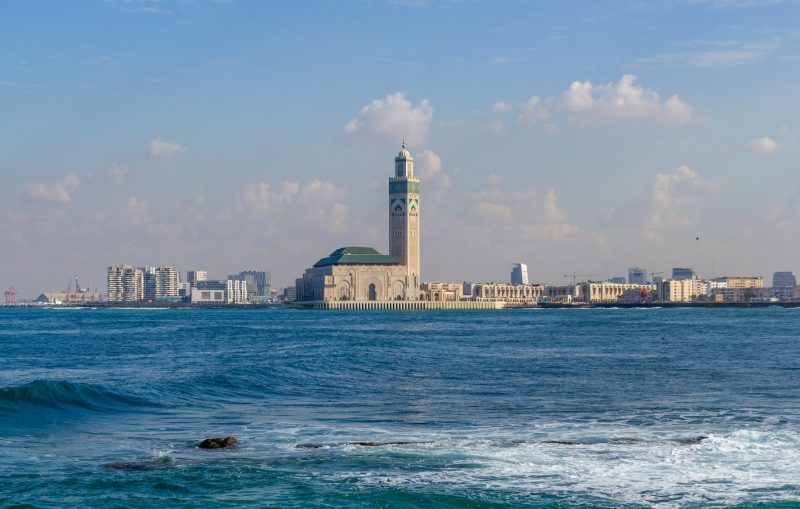
Cascading beautifully down its hills toward the strait, Tangier could not be more different from Casablanca. Two cities of completely different character, even though they share a country. A high-speed train runs between them — clean, comfortable, affordable, about five hours in each direction.
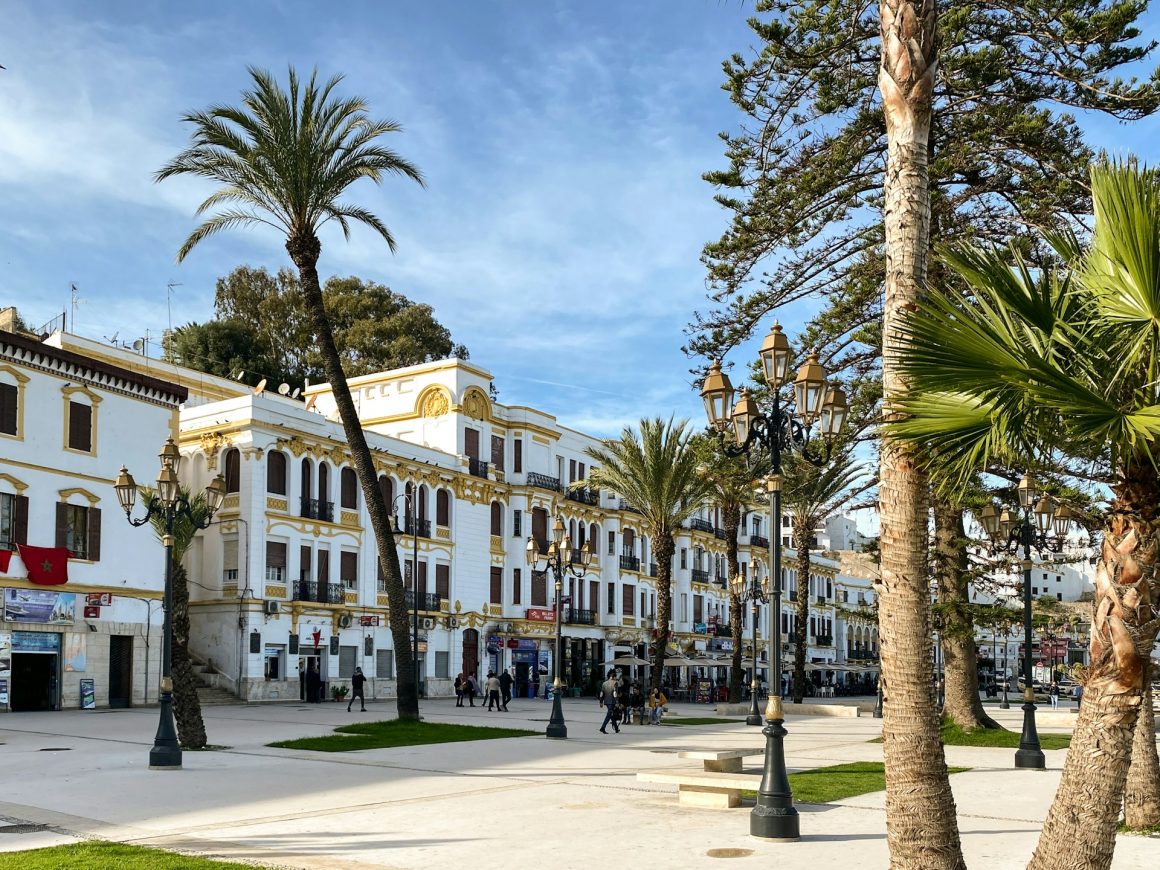
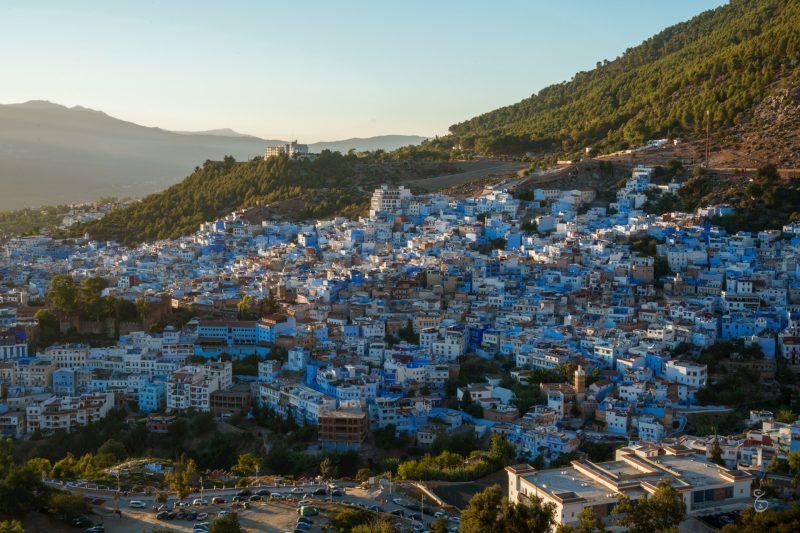
Plan the entire northern Morocco route: Casablanca, Tangier, Tetouan, Chefchaouen, Fes — every one of these cities deserves a full day. Everyone rushes to Essaouira and Marrakech, convinced they’re the best of Morocco. But the north is where the magic is.
The Kasbah: Beauty That Demands Caution
The oldest part of Tangier is the Kasbah. Think of it as Kotor in the Bay of Boka: a fortress enclosed by high walls, inside which mud-brick houses are connected by a completely tangled web of streets, many of which simply dead-end. The Kasbah has always been considered the most dangerous part of the city. Local clans control it.
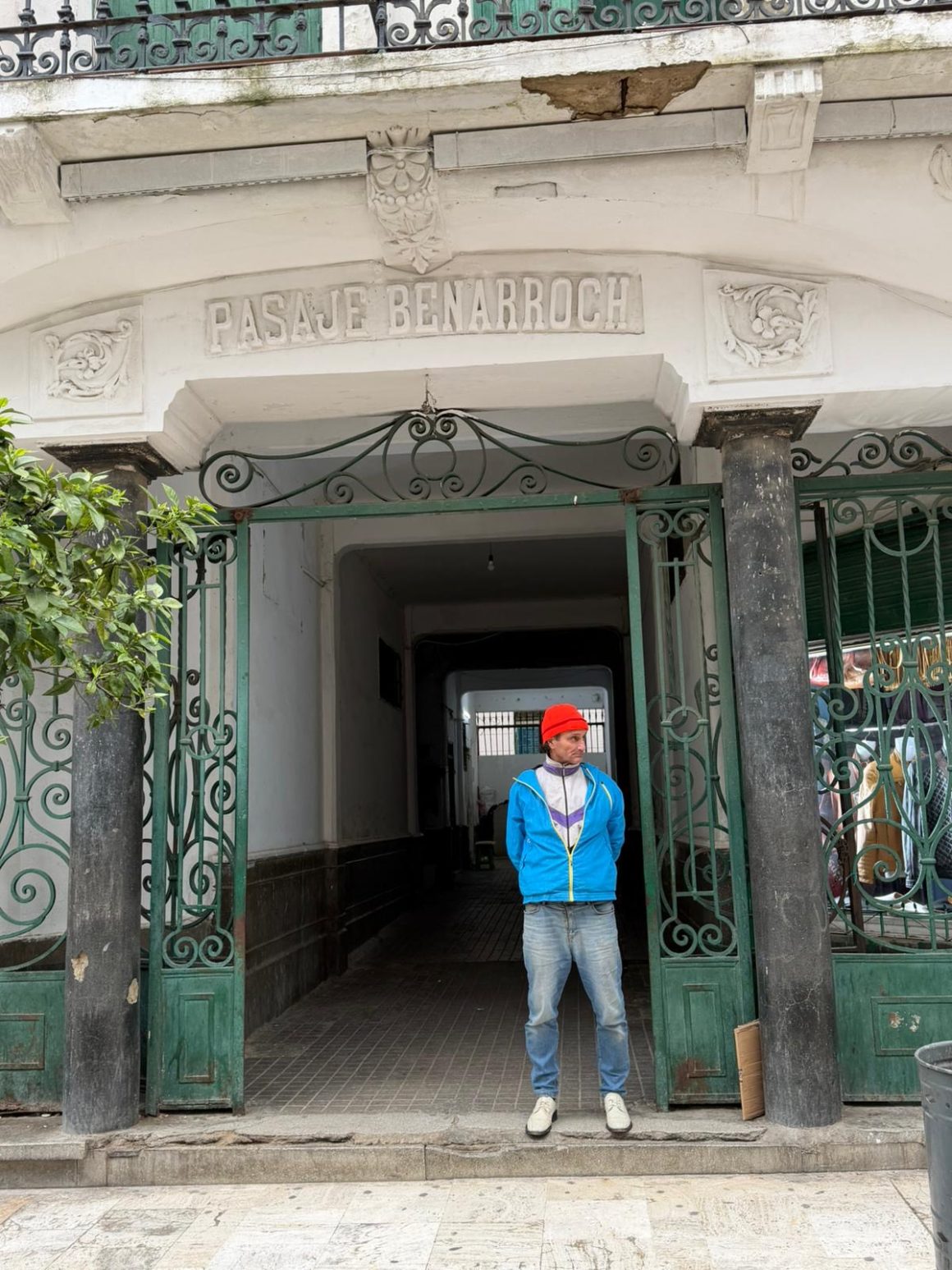
I always walk through it with an Arabic greeting at the ready — and the locals change immediately: “Go right, don’t go left.” They warn you, steer you. Nothing has ever happened to me there. That said, I would not recommend striking up conversations with strangers in Tangier to anyone. In Morocco generally, meeting people on the street doesn’t lead anywhere good.
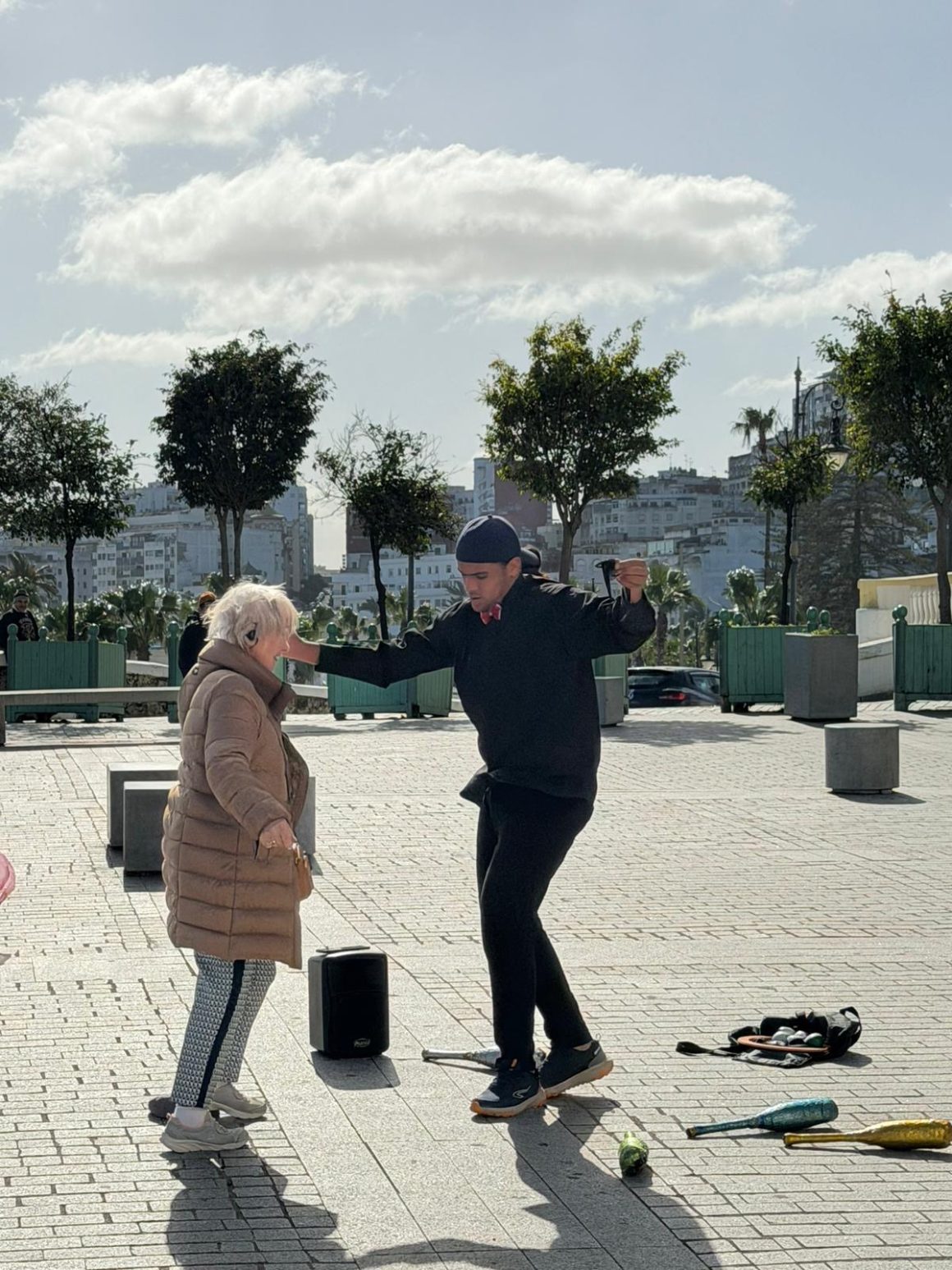
In the Kasbah, a magnificent late-19th-century hotel called the Métropole is currently under restoration. It already makes a strong impression in its present state — take a look from the outside, at least, if you happen to be passing.
What to See in Tangier: Three Museums, a Russian Street, and the Teatro Cervantes
At the very top of the hill in the Kasbah, there are two magnificent museums. The first is a museum of contemporary art. In Morocco this is fairly well developed — don’t expect provincialism; there is serious work on display. The second is a history museum, housed in the historic palace of the Governor of Tangier, with a magnificent Moorish-style patio.
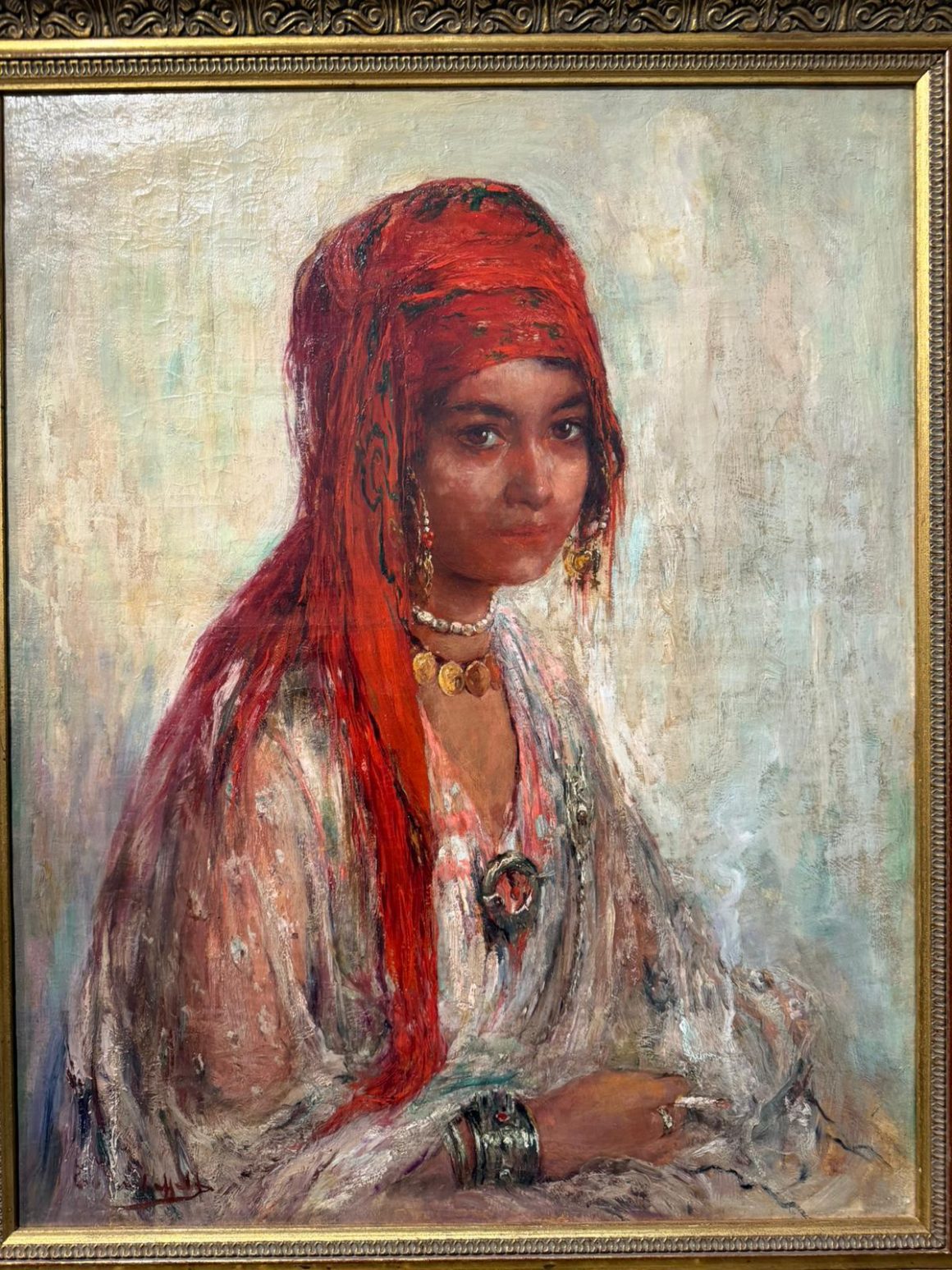
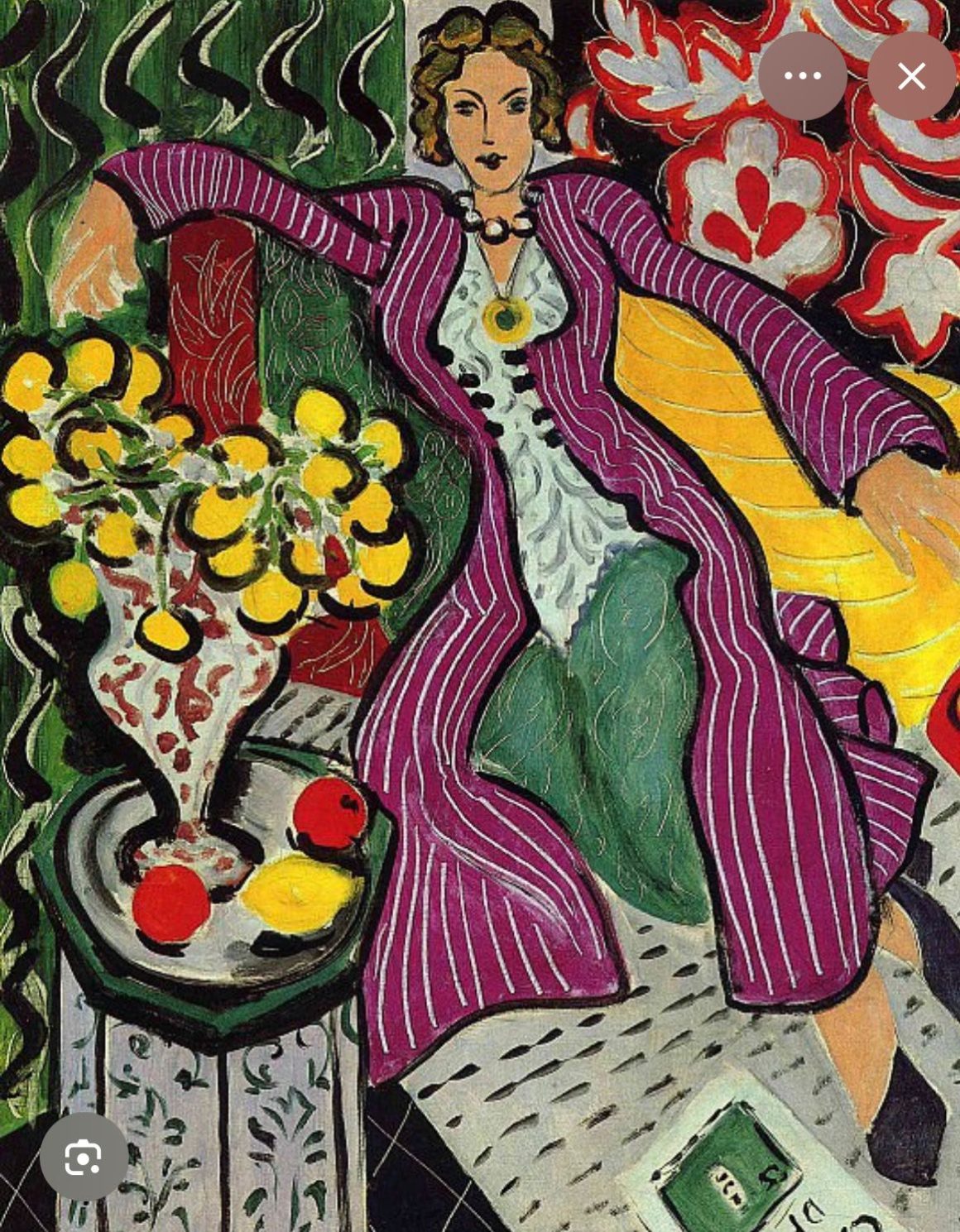
The Andalusian architecture here is no accident: Spain is right across the water, and the Arabs ruled Spain itself for nearly eight centuries. Hence all this lacework, all these arches.
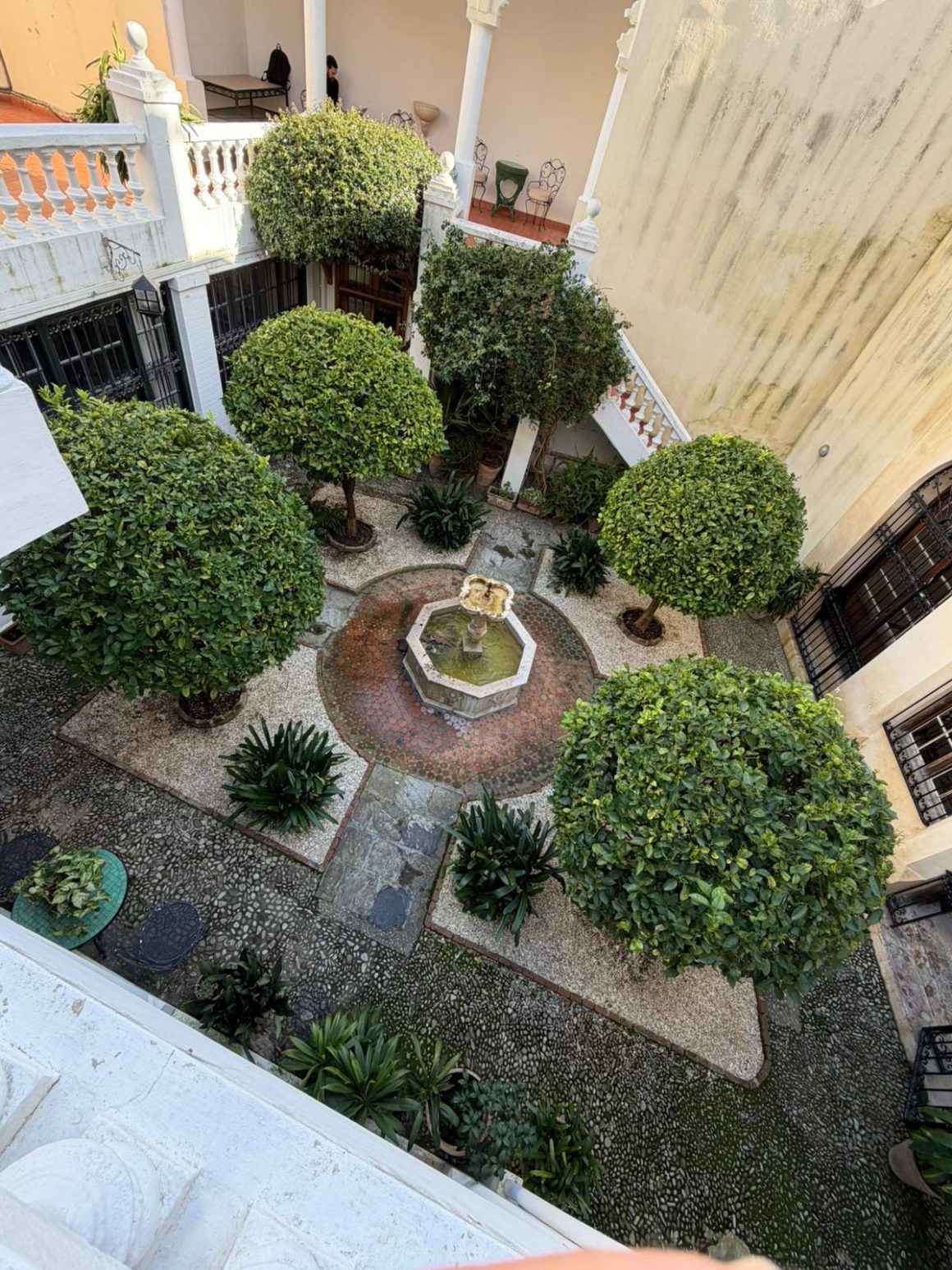
The patio displays artifacts from the ancient Greek and Roman periods, exhibits from the era of Spanish rule, sculpture, ceramics — all of it very fine. A small staircase leads from there into an interior garden with orange and tangerine trees — a place so romantic you find yourself wanting to linger.
The third major museum is Villa Perdicaris (also known as Villa Aidonia). It was established in the late 19th century by a Greek-American named Ion Perdicaris — collector, philanthropist, and one of the most prominent residents Tangier has ever known. In 1904, he was kidnapped by the Berber chieftain Raisuli, triggering a genuine international incident: the United States dispatched warships to the coast of Morocco.
The villa is on the outskirts of Tangier, about seven kilometers from the center, inside a forested park with views of the Strait of Gibraltar. It has a fine collection of paintings and Orientalist canvases, and a lovely garden. Do not miss it.
Another must-see: the Anglican St. Andrew’s Church, built in Victorian Gothic style, with its deeply romantic English cemetery. Buried here, among others, are some of those legendary spies who worked in Tangier during the 20th century — double agents, triple agents; films are made about them now. And alongside them, approximately five or six graves of Russian aristocrats who died in Tangier. Worth a look.
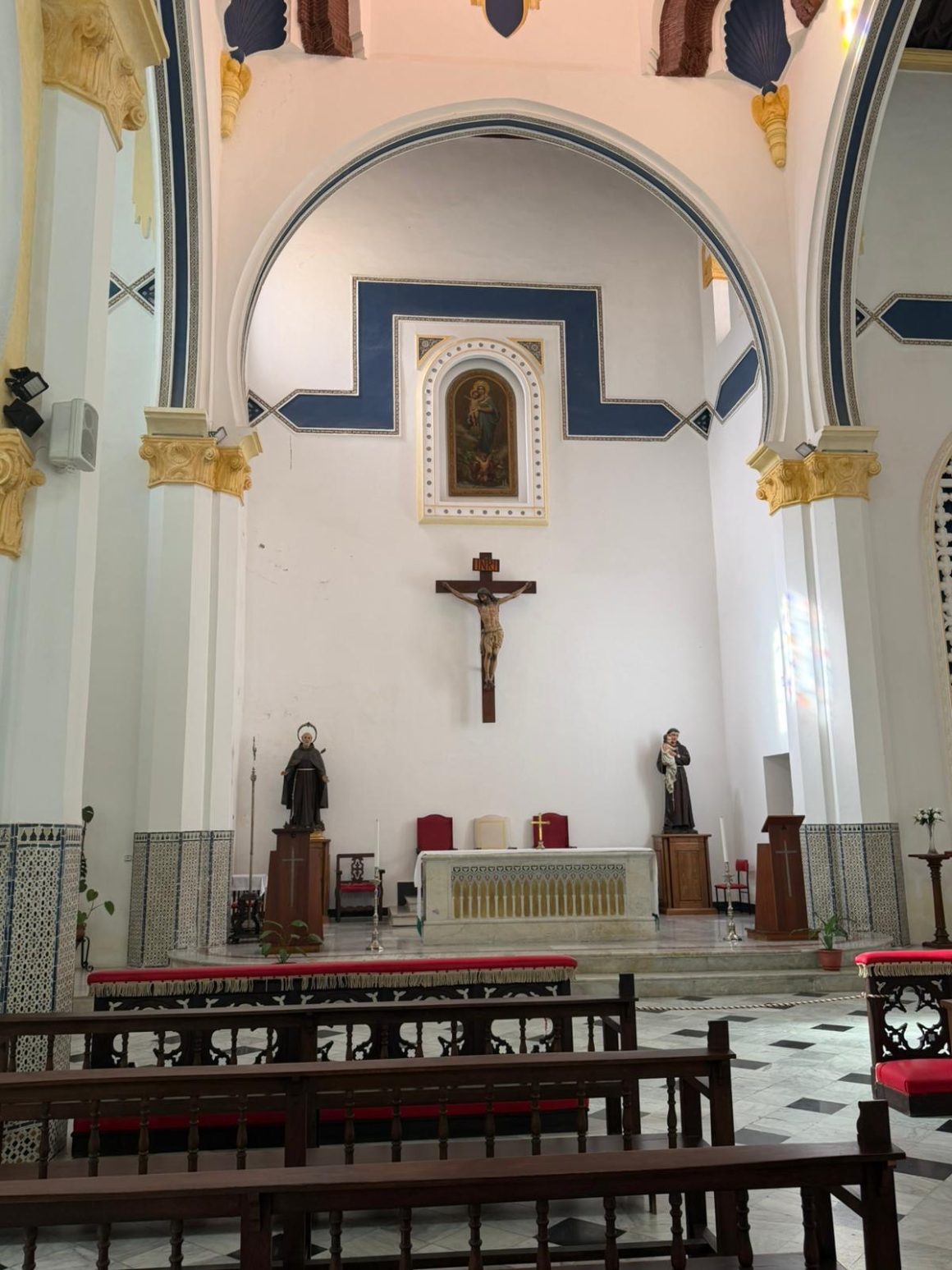
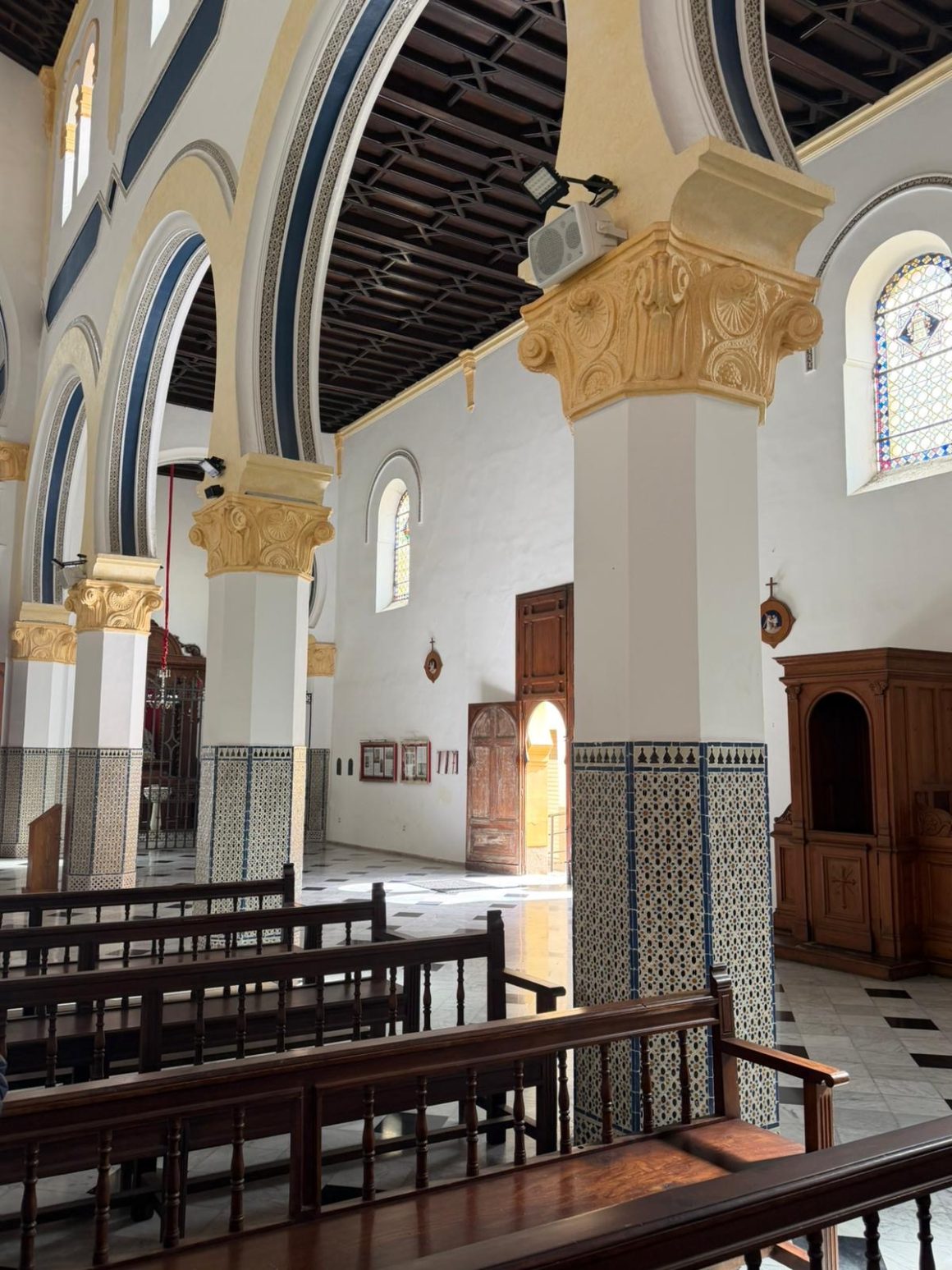
Right in the center of Tangier stands the lovely Spanish Teatro Cervantes. The building is Art Nouveau — or what the French call modern style: magnificent ironwork grilles, ornate plasterwork, ceramic tiles. Art Deco is far rarer here — it was never a characteristic Spanish style, and the city belonged to the Spanish at the time — but Art Nouveau is everywhere. If you can get inside, it’s a real event.
Right behind the Hotel Villa de France there is a tiny street with the curious name Rue des Russes — Russian Street. It is lined with Art Nouveau mansions that once belonged to Russian merchants who traded goods between Africa and Tsarist Russia. A charming little footnote. Have your photo taken next to the street sign.
The American Secret in the Medina
Don’t overlook the Tangier American Legation Museum — TALIM (Tangier American Legation Institute for Moroccan Studies). The United States was the first country to open a consulate in Africa — in the early 19th century, right here in Tangier.
The building of the former U.S. consulate is now a museum of American art and furniture: the most beautiful Chippendale interiors, excellent paintings, dignified rooms in terms of both color and form. The visit will be genuinely rewarding. I simply recommend you don’t miss it.
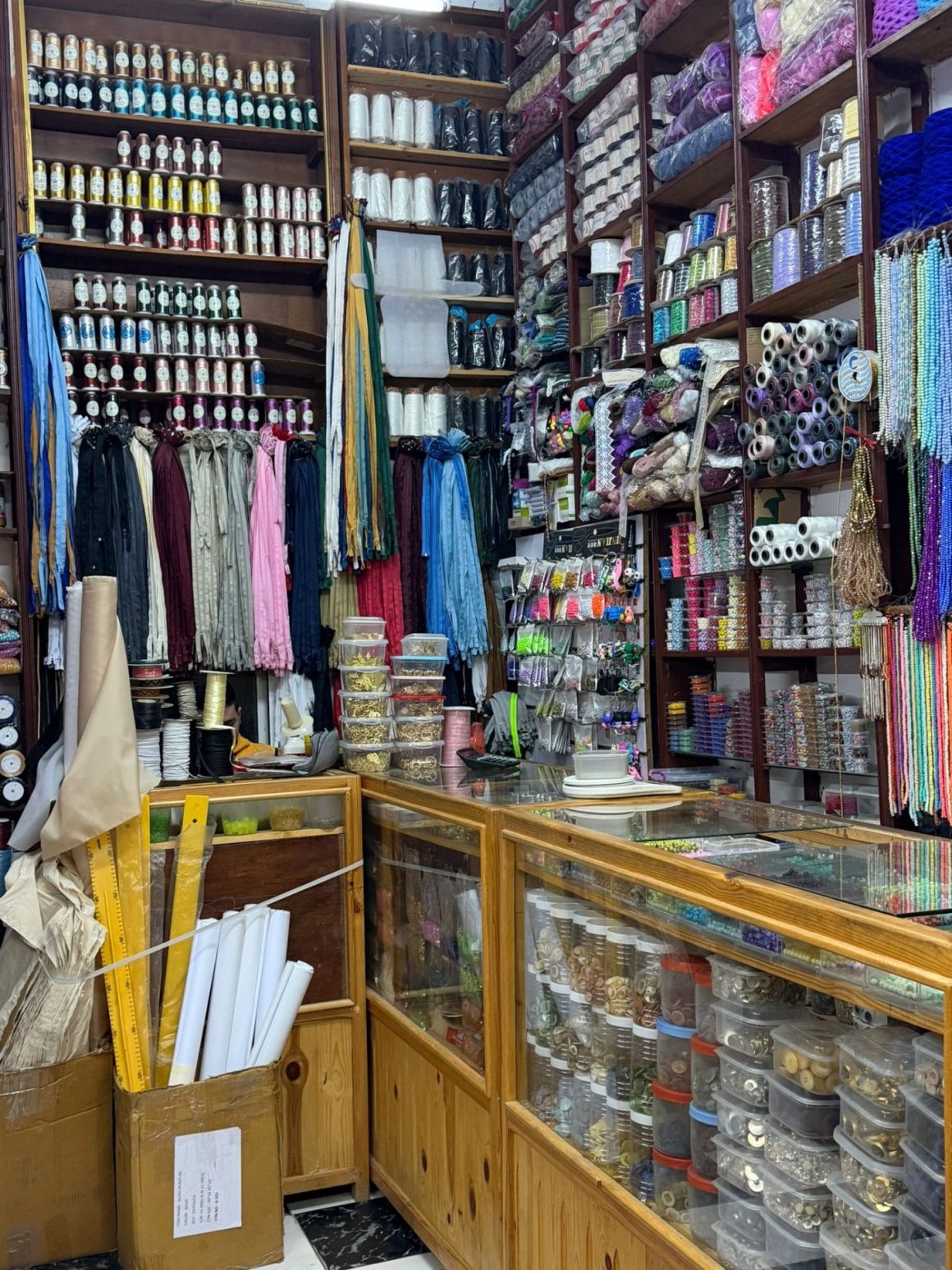
Tangier has a great many antique shops — ceramics, metalwork, painted platters, wrought brass lanterns. And an enormous amount of costume jewelry: for anyone who loves something theatrical, something suited to the stage or show business — endless embroideries, sequins, stones. It is very well represented here.
Tangier Sights — Locals Insider Picks:
- Kasbah Museum (Dar el Makhzen) — The former governor’s palace with an Andalusian patio; exhibits spanning antiquity through the Spanish period. One of the finest museums in northern Morocco. Closed Mon–Tue. Admission ≈20 dirhams.
- Villa Perdicaris (Villa Aidonia) — A late-19th-century mansion in the Rmilat forest park, 7 km from the center. Collection of Orientalist paintings, panoramic views of the strait. Open daily except Tuesday, 10 AM–5 PM. Admission 70 dirhams.
- Tangier American Legation Museum (TALIM) — The first permanent U.S. diplomatic building acquired abroad. Chippendale interiors, paintings, the history of Moroccan-American relations. Located near the Grand Socco.
- Teatro Cervantes — A Spanish theater in the Art Nouveau style, built in 1913. Ornate plasterwork, glazed tiles, ironwork grilles. If it’s open — go in without hesitation.
- St. Andrew’s Church and Cemetery — A Victorian Gothic Anglican church with a romantic English cemetery — spies and Russian aristocrats both buried here. Free entry.
- Café Hafa — A legendary clifftop café founded in 1921. Seven terraced levels dropping toward the Strait of Gibraltar. The Rolling Stones and Paul Bowles both came here. Mint tea and a view of Spain.
Where to Eat in Tangier
Tangier has plenty of restaurants, though I’ll be honest — not many of the highest caliber. This is a port city, and here, unlike the mountain town of Chefchaouen, fish and seafood are absolutely worth ordering. This is the genuine cuisine of northern Morocco — with a Mediterranean accent, Spanish overtones, a Berber foundation. Sardines, squid, swordfish tagine.
Don’t miss pastilla — flaky pastry filled with chicken or squab and dusted with powdered sugar: it sounds odd, but it is one of the finest dishes Morocco has to offer.
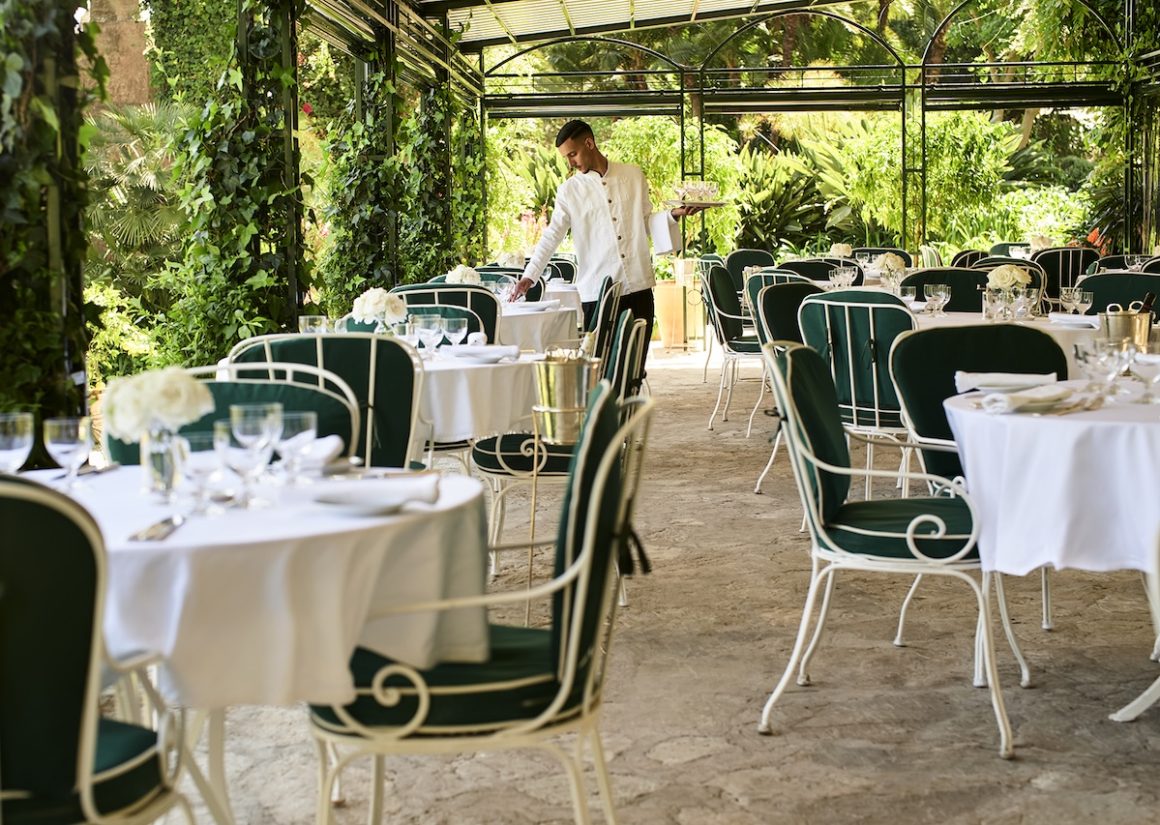
The standout restaurant in Tangier is L’Orangerie at Villa Mabrouka. Everything there is green: green walls, green furniture, a green garden — the former country estate of Yves Saint Laurent. The view is of the Strait of Gibraltar. It is something magnificent. Getting in is not easy, and there is a dress code — but it is worth every bit of the effort.
Tangier Restaurants — Locals Insider Picks:
- L’Orangerie at Villa Mabrouka — Tangier’s finest restaurant — alfresco dining on a terrace overlooking the strait. Oysters, seafood, tagines. The former estate of Yves Saint Laurent. Reservations required. Dress code.
- El Morocco Club — An elegant restaurant in the Kasbah, set inside a 1931 mansion. Three experiences in one: a restaurant, a terrace under a century-old fig tree, and a piano bar. Cuisine is a Mediterranean-Moroccan fusion. Reservation essential.
- Le Saveur du Poisson — A cult family restaurant where Anthony Bourdain once stopped. The daily menu depends on the morning’s catch — a five-course set, no choices offered. Always packed; a queue is part of the experience.
- Dar Harruch — A cozy, traditional spot in the medina near the Petit Socco. Best chicken pastilla in the city, and outstanding Friday couscous. A warmhearted host.
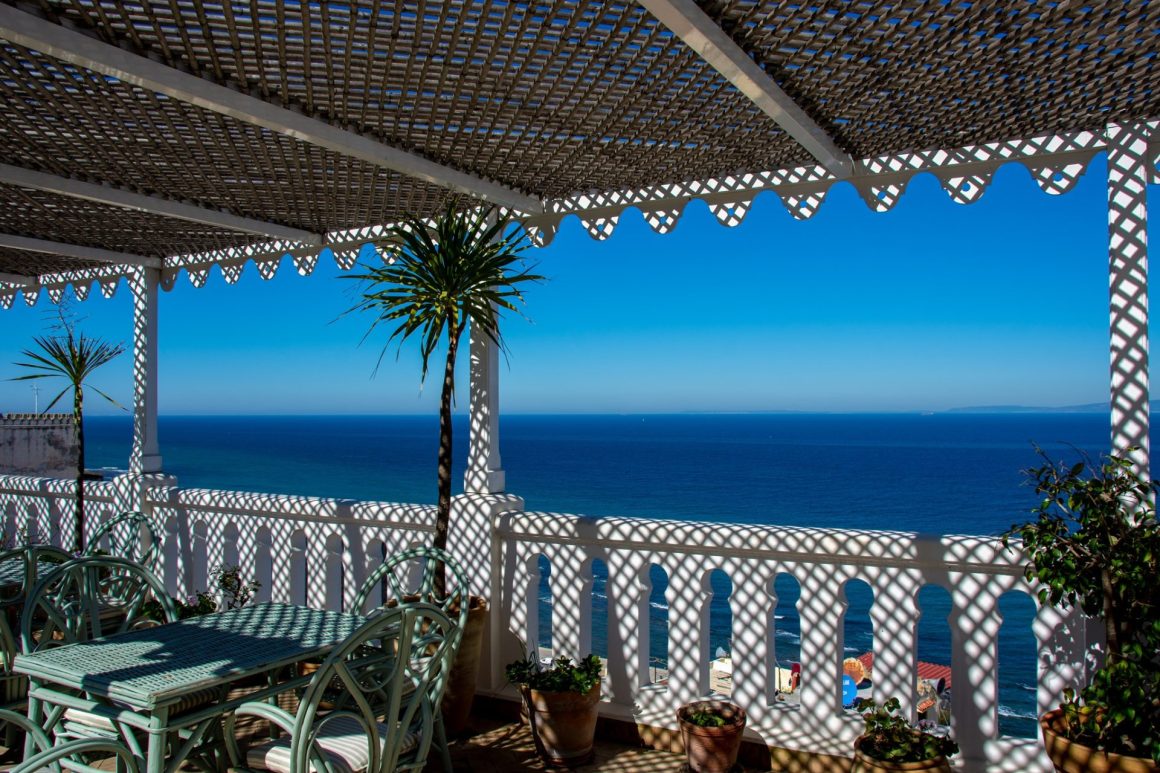
- Kebdani Restaurant — A rooftop terrace with views of the Strait of Gibraltar. Fresh seafood, lamb, and authentic Moroccan cooking. Located right next to the American Legation Museum.
Where to Drink
There is no real bar culture in the medina — this is a Muslim city. Alcohol is available at hotels, along the waterfront, and at a handful of licensed venues. Mint tea, on the other hand, is a ritual here — don’t hurry past it.
- Café Hafa — A legendary spot since 1921. A clifftop terrace above the strait, seven levels. Mint tea, bissara soup, sunsets. The Rolling Stones and Paul Bowles both came here.
- Tanger Inn — A historic bar in the medina where William S. Burroughs wrote Naked Lunch upstairs. Now an intimate bar with live music — the spirit of the Beats lives on.
- Sky 5 (Marina) — A cocktail bar with views in the new marina. Licensed for alcohol, terrace seating, contemporary format.
Where to Stay in Tangier
The hotel I recommend is the Grand Hotel Villa de France. It is a famous address: Henri Matisse stayed here and painted his celebrated “Landscape Seen from a Window” — Room 35, where he worked, has now been turned into a small museum.
It is a beautifully preserved historic hotel with a good breakfast, comfortable rooms, and a deeply romantic view — and the atmosphere there is entirely real.
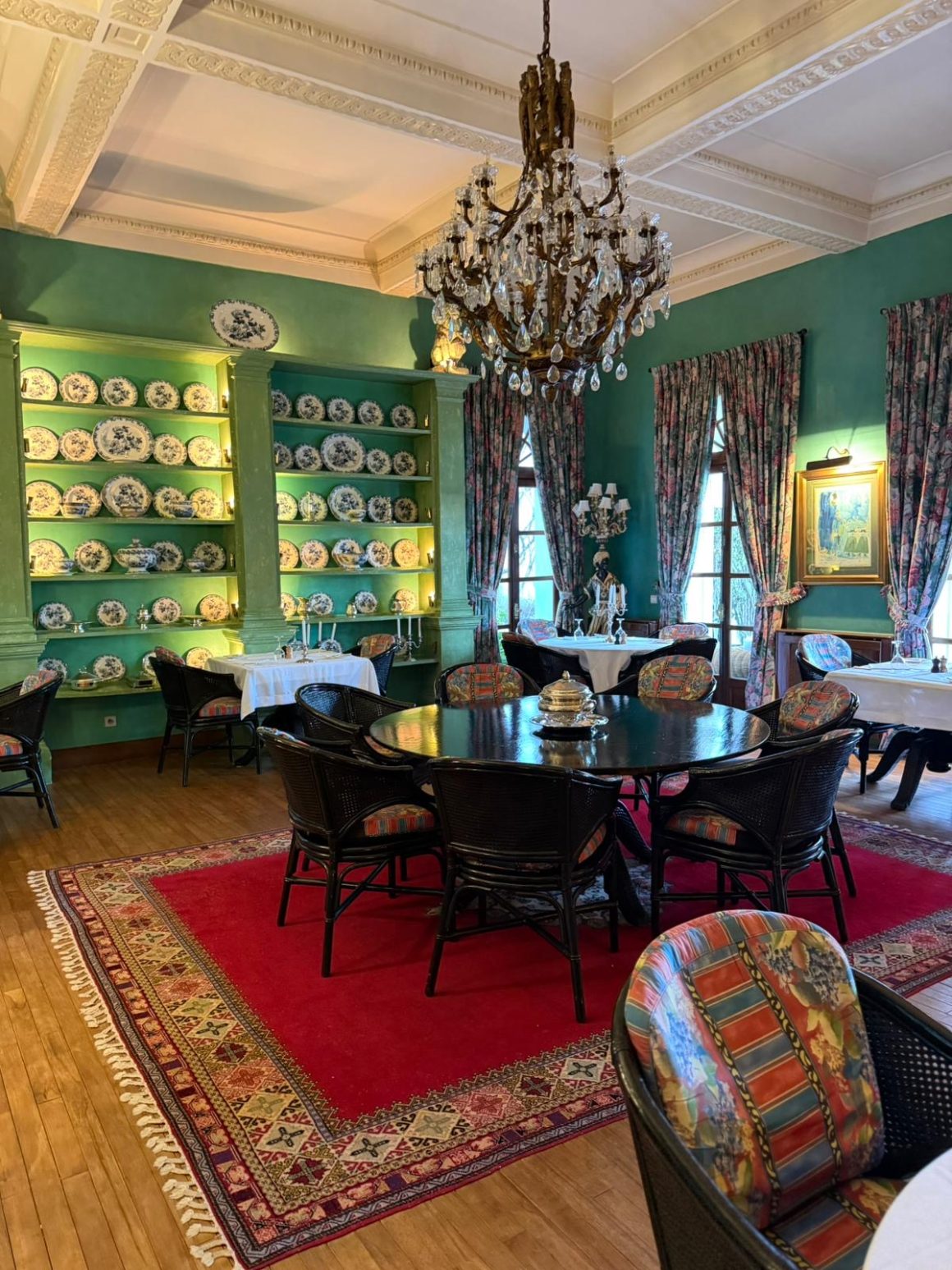
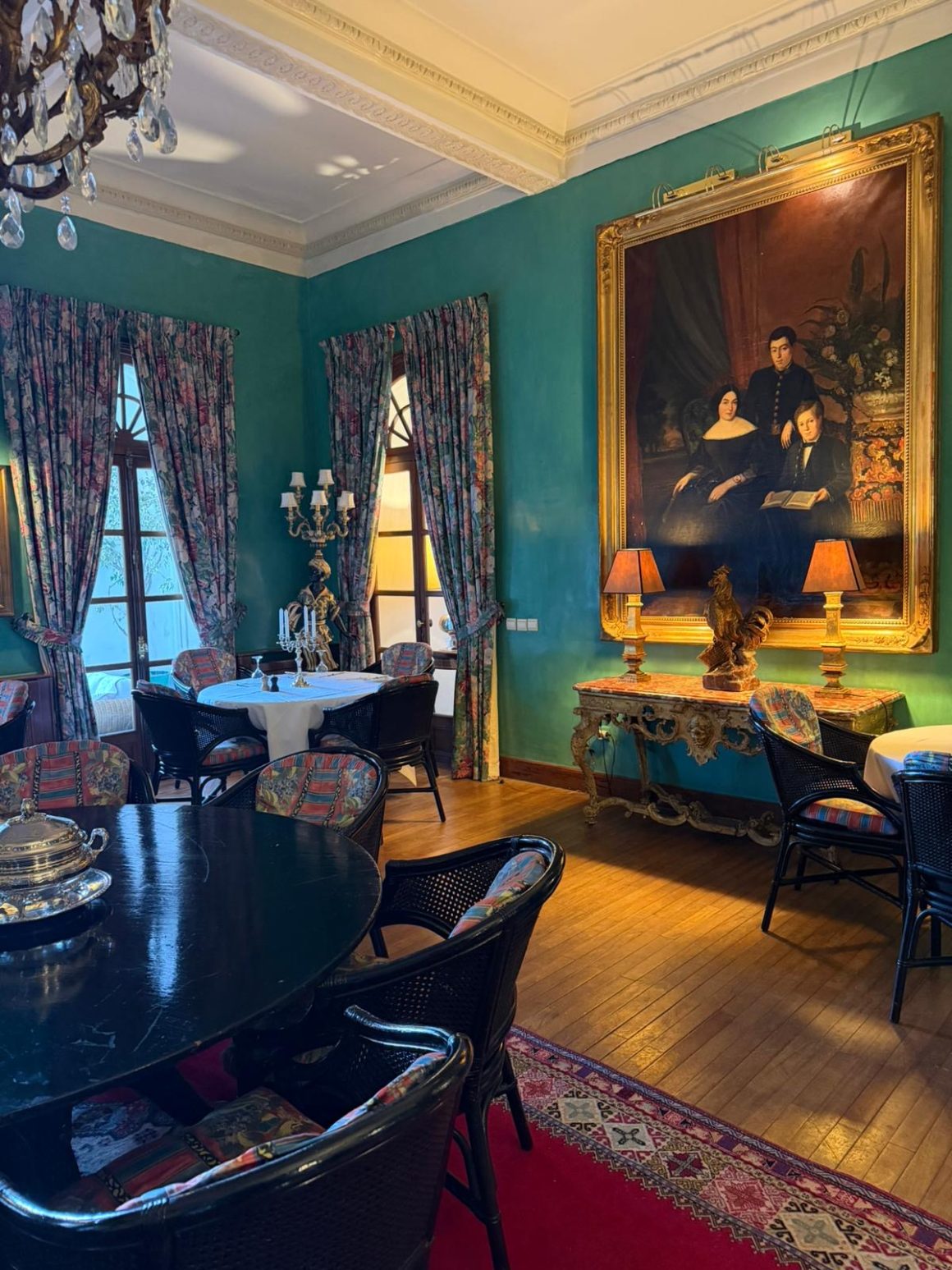
For those with a more generous budget — Villa Mabrouka, the former summer residence of Yves Saint Laurent. Nothing but green: green walls, green furniture, a green garden. It is color therapy. Morocco, in general, is color therapy.
Nice Tangier Hotels
- Grand Hotel Villa de France — A historic 19th-century hotel in the former diplomatic quarter. 58 rooms, pool, breakfast included, views over the city. Room 35, where Matisse painted, is now a small museum. 4-star.
- Villa Mabrouka —Yves Saint Laurent’s former country house. A boutique hotel set in lush gardens above the Strait of Gibraltar. Restaurant L’Orangerie, 12 rooms, ultra-luxury. Adults only.
- Fairmont Tazi Palace Tangier — A grand new luxury hotel in a Moorish palace on a hill above the city. Panoramic pool, multiple restaurants, spa. For those who prefer modern luxury.
- Hotel Tingis — A charming riad in the heart of the medina with Moroccan décor and a rooftop terrace overlooking the strait. Excellent value. The owner helps with logistics.
- La Tangerina — A riad in the very center of the medina. 10 rooms, a home-like atmosphere, breakfast on the rooftop with bay views. One of the city’s highest-rated small hotels.
6 Practical Tips: What to Know Before You Go to Tangier
- Alcohol — head to the hotels and the waterfront. There is virtually no alcohol in the medina. Licensed restaurants and bars are in hotels and along the seafront promenade.
- Arrive via Casablanca or fly direct. A high-speed train connects Casablanca and Tangier — about 5 hours, clean, comfortable, affordable. Many European cities also offer direct flights. From Tangier, Chefchaouen is a straightforward two-hour bus ride away.
- Plan the whole of northern Morocco. Casablanca, Tangier, Tetouan, Chefchaouen, Fes — each city deserves a day of its own. Don’t limit yourself to Tangier alone.
- Stick to known paths in the Kasbah. Greet people in Arabic — “Sabah al-khayr” in the morning, “Masa al-khayr” in the evening. The locals appreciate it and will make sure you don’t get lost.
- Order the fish and seafood. Unlike the mountain towns, Tangier is on the water — the fish here is fresh and excellent. Try grilled sardines and swordfish tagine.
- Avoid striking up conversations with strangers. I recommend this to everyone in Morocco: meeting people on the street doesn’t lead anywhere good.
Tangier is just one point on the map of a country that knows how to surprise you at every turn. If you want to understand how to build a route through the north and make your way down to the Atlantic coast, read the Casablanca guide by Alexander Vassiliev on Locals Insider.
Here is a list of the best apps for your travel. Use one of these VPNs, and if you need, a good travel insurance.