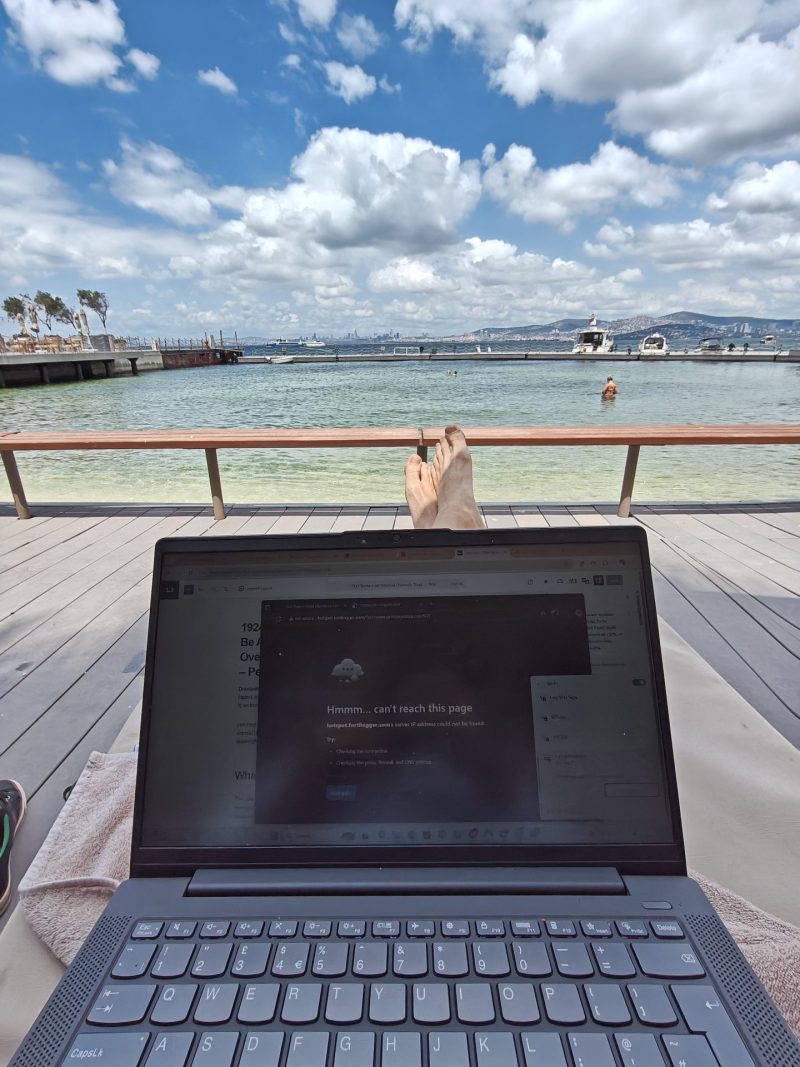



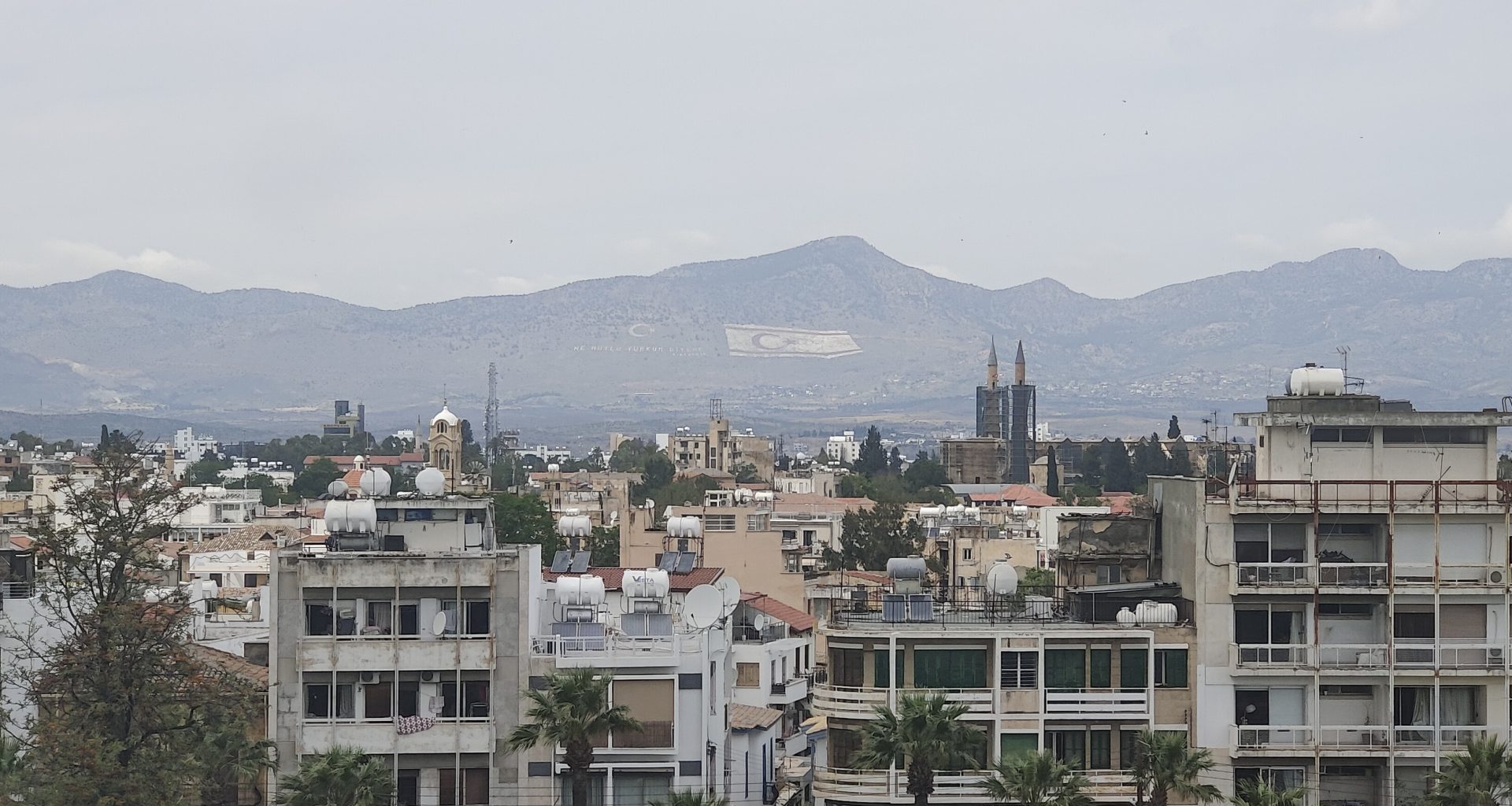
I’m writing this from a cafe in Lefkosia (or Nicosia as it is internationally known), which is where I write most things, because I don’t have a home office and I never had one.
I’m Pavlos, 39, born here, raised here, married with two kids, and I run a small digital business off this laptop for the past 4 years or so.
So when people ask me if Cyprus is good for digital nomads, I’m not answering from a brochure. I’m answering from the table I’m sitting at.
And my honest answer is yes, mostly, with a couple of things nobody warns you about.
Let me walk you through it the way I’d tell a friend who messaged me asking whether to move here, because I get that message a lot.
My quick verdict: Cyprus wins on lifestyle and on the non-dom regime, where your dividend income basically escapes tax for years. Andorra has the lowest headline tax but it’s outside the EU and rent is brutal. Malta is the simplest, a flat 10% on your remote income, but it’s gotten expensive and crowded. For most people running a laptop business who still want EU access and an actual social life, Cyprus is the one I’d pick. I did pick it. I never left.
Martin and Alex lived in Malta as digital nomads for three years – real cost here.
Cyprus vs Malta vs Andorra at a glance
I’ll get into all of this properly below, but here’s the shape of it first so you can see why I land where I land.
| Factor | Cyprus | Malta | Andorra |
| Headline tax on remote income | 0% up to €22,000, then 20-35% | Flat 10% on authorized work income | 0% up to €24,000, then up to 10% |
| Dividend tax (non-dom) | 0% income tax. Generally exempt from Special Defence Contribution (SDC); GHS may still apply depending on circumstances | Taxed under remittance rules | Effectively 0% on most capital income |
| Corporate tax | 15% | 35% headline, refunds cut it lower | 10% |
| Self-employed social contributions | 16.6% + 4% GHS | ~10% class rate | ~22% |
| Residency route | Yellow Slip (EU) or Digital Nomad Visa (non-EU) | Nomad Residence Permit | Passive or active residence |
| Minimum income | €3,500 net/month (non-EU visa) | €42,000 gross/year | Proof of means, no fixed nomad salary |
| In the EU? | Yes | Yes | No |
| Approx. 1-bed rent, main city | €500-1,200 depending on city | €1,000-1,500 | €1,200-1,800 |
If you’re still deciding between countries and not just cities, by the way, the country matcher quiz on this site is a fast way to narrow things down before you read on.
First thing first. What passport are you holding?
This is where I stop people before they get excited about tax rates, because your whole route depends on it, and most articles skip straight past it.
If you’ve got an EU or EEA passport, forget the Digital Nomad Visa. You don’t need it. You can just come.
To stay past three months you register for what we call the Yellow Slip, officially the MEU1, and it’s not the nightmare people imagine.
You bring your passport, proof you can support yourself, and proof of where you live. Once you’ve got it, it doesn’t expire.
That’s genuinely the whole story for EU folks. I’ve watched friends stress about this for nothing.
If you’re non-EU, the British, the Americans, Canadians, Aussies, then yes, you need the actual Digital Nomad Visa to live and work here past the 90-day tourist window. More paperwork, an income threshold, the lot. I’ll cover it next.
So before anything else, work out which lane you’re in. A German freelancer and an American freelancer have completely different mornings ahead of them.
The Digital Nomad Visa, the way it actually works
Quick facts: Cyprus Digital Nomad Visa
- Who: non-EU/EEA remote workers, freelancers, remote employees with foreign clients.
- Income: at least €3,500 net per month, plus 20% for a spouse and 15% per child.
- Length: 1 year, renewable for 2 more, so 3 years total.
- Fees: €70 application plus €70 Aliens Registry.
- Quota: currently capped at 500 permits, with applications open at the time of writing.
- Family: spouse and kids can come, but they can’t work here.
Here’s the bit people get wrong.
You apply for the Digital Nomad Visa after you arrive, not before, within 90 days of landing, at the Migration Department.
You’ll need proof of your income, six months of bank statements, health insurance, a clean criminal record, some medical tests, and a rental agreement.
Then you wait, usually five to seven weeks.
One honest warning, because I’d want a friend to know this.
The visa caps you at three years and it doesn’t roll into permanent residency, that needs five years on a different route.
So if you’re thinking forever, don’t build your whole plan on this visa. Look at the other options early, before you’re attached to the place. And you will get attached.
Right, that’s getting in. Now the part that actually decides whether you stay.
Tax: what you’ll actually keep, from someone who pays it
This is the part everyone tiptoes around, and it’s the reason I’m able to raise two kids off a laptop here, so let me just be straight with you.
The income tax.
Since the start of 2026, you pay nothing on your first €22,000. Then 20% from €22,001 to €32,000, 25% up to €42,000, 30% up to €72,000, and 35% above that. That €22,000 you keep tax-free at the bottom is doing a lot of quiet work for small earners like me.
Becoming a tax resident, and the trick most people miss.
The normal way is spending more than 183 days a year here. But Cyprus also has a 60-day rule, and this one’s rare. Spend at least 60 days here, keep a home, run your business here, and crucially not be a tax resident anywhere else, and you’re in.
I don’t know many EU countries that hand you that.
Non-dom, which is the real reason I’m telling you all this.
Non-dom means non-domiciled, and most people relocating to Cyprus can qualify for non-dom status for up to 17 years. What it buys you is this: non-doms are generally exempt from Special Defence Contribution (SDC) on dividends and passive interest.
SDC is the tax that would normally bite your investment income. So if you run your business through a company and take profits as dividends, the non-dom regime can be extremely attractive compared with many other EU countries.
Exactly how much you pay depends on your structure and circumstances, and GHS contributions may still apply. The first time my accountant explained the system to me I made him repeat it.
Corporate tax.
It went up from 12.5% to 15% on 1 January 2026.
Still low by EU standards. A structure many entrepreneurs use is a Cyprus company paying corporation tax on profits while the owner combines salary and dividends in a tax-efficient way. Exactly what works best depends on your circumstances and should be reviewed with a qualified adviser.
Social insurance, the bit that catches people out.
If you go self-employed as just yourself, no company, you pay 16.6% of your insurable income in social insurance, up to a 2026 cap of €5,742 a month, plus 4% to GH.
“So can’t I just stay a sole trader and keep it simple?”
You can. I did at first. But once you’re earning properly, those contributions take a serious chunk before income tax even shows up. On €60,000 taken as a sole trader, you lose a five-figure sum to contributions alone.
That’s exactly why almost everyone I know here eventually sets up a company instead. It’s legal, it’s normal, and it’s the single biggest reason your real tax rate here can drop into single digits.
Let me show you with my own kind of numbers.
Say your company clears €60,000.
It pays 15% corporate tax, about €9,000.
If you qualify as a non-dom and distribute the remaining profits as dividends, those dividends are generally exempt from SDC. Depending on your circumstances, GHS contributions and other factors may still apply.
The exact effective rate varies from person to person, which is why most long-term residents work closely with a Cyprus accountant before deciding how to structure their income.
Same money. Different setup. That’s the whole game.
Here’s a second one, for an EU person who stays a plain sole trader. Say you’re German or Irish, earning €50,000, registered as self-employed, no company.
You pay the 16.6% social insurance plus 4% GHS, then income tax on the bands.
On €50,000, contributions alone eat around €10,000 before income tax, and the tax adds a few thousand more once you climb past €22,000 into the 20% and 25% bands.
You’re well over a 25% effective rate. Run that same €50,000 through a company as a non-dom and you’re near 18%, lower with a sensible salary first.
The gap is thousands a year, every year. So if you take one thing from me on tax, it’s this: the structure you choose matters more than the country’s headline number.
One last thing, and please don’t ignore this. The 60-day rule only helps if you’re genuinely not a tax resident anywhere else.
You can’t just stack Cyprus on top of your old country and pick the cheaper bill. You have to properly cut tax residency where you came from, which is easy for some passports and a real headache for others, Americans especially.
One quick disclaimer.
Tax rules change, and your final position depends on your residency, company structure, source of income, domicile status and home-country obligations. Think of this as a practical overview from someone living here rather than personal tax advice. Before moving or restructuring income, speak to a qualified tax adviser familiar with Cyprus and your home country.
How Cyprus really stacks up against Malta and Andorra
You’ve seen the table. Here’s what I actually think.
Andorra has one of Europe’s lowest personal tax systems. The first €24,000 is tax-free, income between €24,000 and €40,000 is effectively taxed at 5%, and income above that is generally taxed at 10%. It also remains attractive for many forms of investment income.
Tempting, I get it. But it’s not in the EU, so if your clients or your company sit in Europe you lose that easy access. Social security runs around 22%, way more than people expect, and it’s a tiny landlocked place with high rents and no sea.
If you’re a high earner who lives in the mountains and only cares about the lowest number, fine. For most of us it’s too narrow.
Malta is the fair comparison, another sunny EU island with a nomad scheme. Its permit charges a flat 10% on your remote-work income, confirmed under the January 2026 guidelines, with a €42,000 a year minimum.
That flat 10% is honestly simpler to understand than our system. But Malta‘s corporate headline is 35% before refunds, the islands are small and packed, and the cost of living there has shot up.
Cyprus wins for me not on any one number but on the whole package. EU access, the non-dom dividend shield, the flexible 60-day rule, a bigger island with actual variety, and rent that’s reasonable everywhere except Limassol.
- Pick Andorra if tax is all that matters and you don’t need Europe.
- Pick Malta if you want the simplest flat rate and don’t mind tight and pricey.
- Pick Cyprus if you want the best balance of what you keep, how you live, and how easily you reach the rest of the continent.
Rent and the cost of living, city by city, no sugarcoating
Cyprus is cheap, nationally. With one loud, glaring exception.
Let me take you round the island the way I’d drive you round it. And if you want to actually model your budget, the Europe trip cost calculator here is a quick gut-check against my numbers below.
Nicosia (Lefkosia). One-bed, around €500-900. It’s the capital, it’s inland, no beach, and that’s exactly why it stays cheap. Lowest rents on the island, the most genuinely Cypriot daily life, and the best base if your work touches local banks or government. The catch is the heat. No sea breeze inland, so July and August really hit, and your air-con bill in summer is not optional, budget €120-200 a month on utilities.
Larnaca (Larnaka). One-bed, around €500-1,100. If you asked me where to land first, I’d say here. You’re ten minutes from the main airport, which when you live this lifestyle is a gift. The Finikoudes seafront is lovely, rents sit way under Limassol, and the remote-work scene has grown fast since 2022. Smaller foreign crowd than Limassol but growing, and everyday costs run lower. Larnaca is the smart-money choice and not enough people say so.
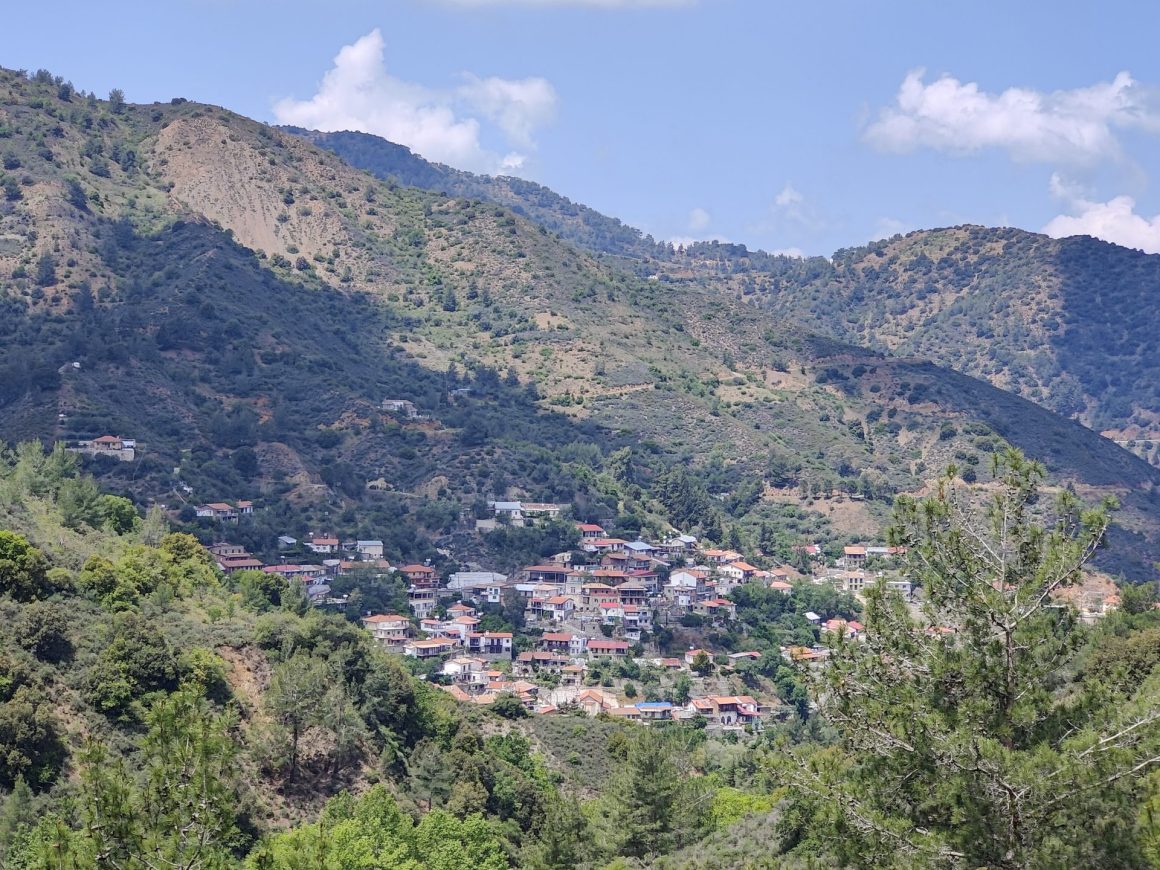
Paphos (Pafos). One-bed, around €550-900. Slowest pace of the lot, and home to the island’s oldest expat community, very British, lots of retirees. Rents are low, nature’s right there, the Akamas and the Troodos foothills on your doorstep, and there’s real coworking now. The downside if you’re younger is fewer nights out and less of a network, and the Paphos airport mostly runs UK charters rather than proper European routes. Paphos suits a certain kind of person, and they tend to love it.
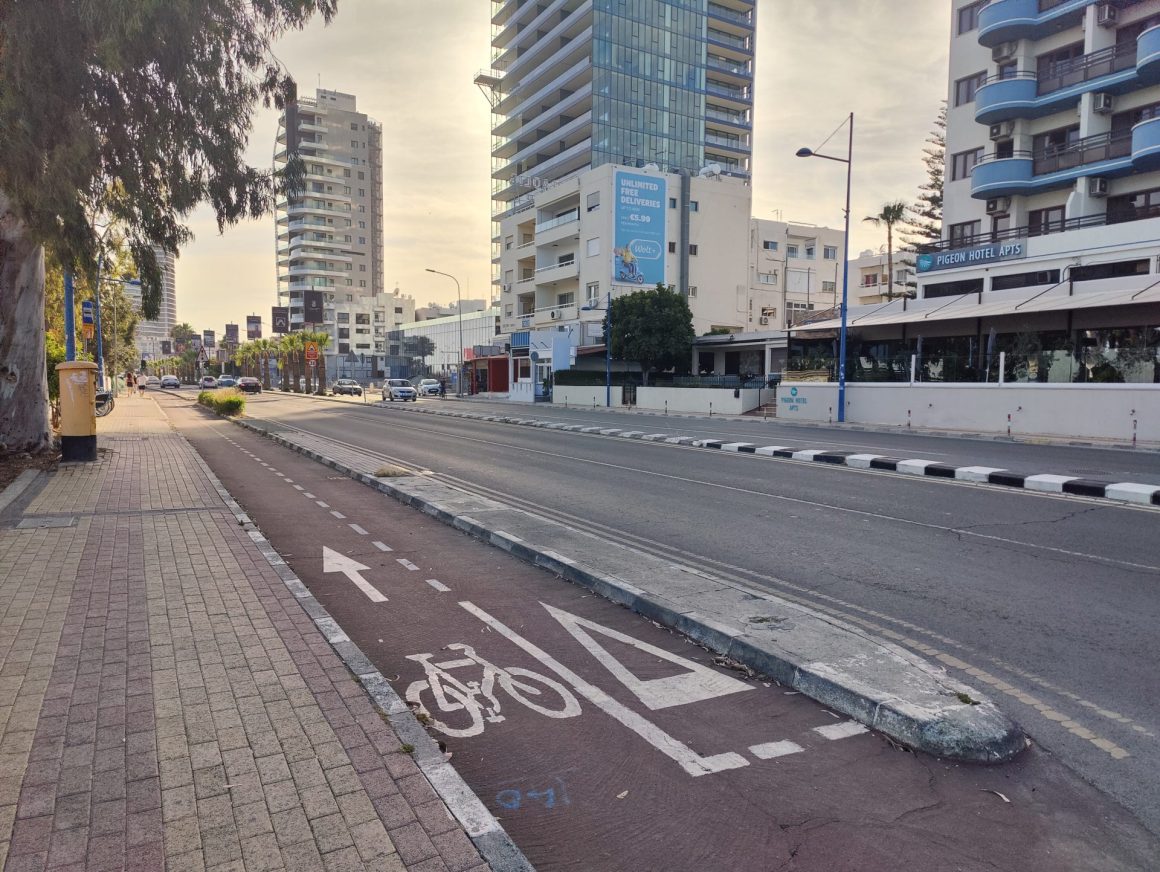
Limassol (Lemesos). One-bed, around €1,000-1,800. And here’s the exception I keep warning you about.
Let me be blunt, because the numbers alone won’t explain it.
Lemesos has turned into almost a separate economy from the rest of the island. It’s full of money, international companies, and frankly millionaires, and like anywhere on earth where that happens, prices go up.
You’ll rent a one-bed in Lefkosia or Larnaka for around €500. That same flat in Lemesos? €1,000 to €1,200, often more.
Those are my own figures from living here, not a stat off a website, but I’d stake money on them.
So why would anyone pay double? Connections, simply.
Lemesos and Pafos hold the biggest foreign communities, so if you want an instant social circle and a cosmopolitan scene, that’s where it is.
Limassol especially is where the tech, finance and shipping money sits, so if you want to be in the room with other founders and high earners, that’s the room.
But if your priority is keeping rent low while you build the thing, Larnaca or Nicosia stretch your money a lot further. Same island, completely different maths.
Past rent, life here is moderate.
A week’s shop for one runs maybe €50-80. Dinner for two, €40-80 depending on the city. Mobile and home internet together, around €50-70 a month.
The cost newcomers always underestimate is the car, which I’ll get to, and it adds fuel, insurance, and the vehicle itself.
All in, a single remote worker lives comfortably on roughly €1,500-2,000 a month in Nicosia, Larnaca or Paphos, and €2,200-2,900 in Limassol, rent included.
Internet, coworking, and the car thing I have to be honest about
The internet’s good, genuinely. Solid fiber in the cities, strong mobile from CYTA, Epic and Cablenet, and nearly every cafe I work from, including this one, has reliable Wi-Fi.
I’ve never had a home office and I’ve never needed one. The coffee culture here is built for people like us.
If you want a proper desk, the coworking scene is real and growing.
- Limassol has HUB Design Platform and Limassol Grind.
- Nicosia has Yfantourgeio, set inside an old mill in the Old Town, which I love.
- Larnaca has iDesk.Space.
- Paphos has Hugge and Jungle Space.
You won’t struggle to find a seat.
Now the downside, and it’s the big one, so I’ll say it plainly.
You will need a car.
There are buses, but they’re infrequent and they don’t really reach where people actually live.
About 99% of us drive. This is a car country, full stop. Budget for a car, fuel and insurance from day one, because trying to do without will wear you down fast, I’ve watched people try.
The upside of all that driving is that the island is tiny.
The longest drive across the whole thing is about two hours, so a different beach, a mountain village, a whole other town for the weekend, it’s all easy.
My honest list of what’s great and what isn’t
What I love
- The weather, 300-plus sunny days, it genuinely lightens the workday
- The non-dom regime and the €22,000 tax-free band, hard to beat in the EU
- How small it is, everywhere’s within a two-hour drive
- The beaches, and the outdoor life that comes with them
- Real nightlife and big foreign communities in Limassol and Paphos
- A reasonable cost of living once you’re off the Limassol island-within-an-island
- Reliable internet and a cafe culture made for this work
- English everywhere, EU membership, a common-law legal system
What I’d warn you about
- You must own a car, the buses won’t save you
- Limassol rents are roughly double the rest of the island
- The Digital Nomad Visa caps non-EU stays at three years
- Summer hits 38-40°C in July and August, it’s no joke
- Bureaucracy and opening a bank account can be slow and annoying
The kind of small digital business that actually works here
None of this is theory for me. I earn the way a lot of you do. I do affiliate marketing (promoting other companies’ products for commission), I freelance, sell SEO and content creation services and I build and sell my own online courses.
All of it runs off this laptop, all of it bills clients abroad, and all of it fits the Cyprus setup cleanly.
I know plenty of others doing the same, remote SaaS founders, e-commerce sellers, consultants, designers, developers contracting for foreign companies.
The rule is simple: if your income is location-independent and your clients are outside Cyprus, this island was basically built for you.
Questions people actually ask me
Is Cyprus good for digital nomads? For most people running a laptop business, yes, it’s one of the best in the EU. You get the €22,000 tax-free band, the non-dom dividend shield, reliable internet, a cafe culture made for this, short distances and great weather. The two real downsides are needing a car and Limassol’s rents.
How much tax will I actually pay? Depends entirely on your setup. As a non-dom running a company, you pay 15% corporate tax then take dividends with just the 2.65% GHS, landing near 18% effective.
As a plain sole trader you pay 16.6% social insurance plus 4% GHS plus income tax on the bands, which pushes you well over 25%. The structure matters more than the headline rate. I can’t say that enough.
Do I really need a car? Yes. The buses are infrequent and don’t reach most homes. 99% of locals drive. Get a car from day one.
Which city is cheapest? Nicosia and Paphos, one-beds from around €500-900. Larnaca’s the best balance of value and lifestyle. Limassol’s the priciest by a long way, often double. If you’re weighing Cyprus against other countries entirely, the roundup of affordable cities for digital nomads puts Larnaca next to places like Chiang Mai and Buenos Aires.
Is Cyprus better than Malta or Andorra for tax? Andorra’s headline is lowest at 10% but it’s outside the EU. Malta’s a clean 10% flat on remote income but a high corporate headline. Cyprus wins on the whole package, EU access, the non-dom shield, the 60-day rule, and lower rent outside Limassol.
Can EU citizens use the Digital Nomad Visa? No, and you don’t need to. EU and EEA citizens just register for the Yellow Slip to stay past three months. The Digital Nomad Visa is for non-EU people only.